Global Weekly Snow Roundup #340
Weekly Global Snow News, updated 12 November 2026: Number of ski areas open worldwide reaches 40; Chile’s Valle Nevado continues to keep the southern hem’s 2026 season alive; Big name ski areas including Copper, Gstaad, Kitzbuhel and Verbier all open for season.
- Number of ski areas open worldwide reaches 40 at weekend, with 10 in North America.
- Chile’s Valle Nevado continues to keep the southern hemisphere’s 2026 season alive.
- Big name ski areas including Breckenridge, Copper, Gstaad, Kitzbühel and Verbier all open for season.
We’ve reached 40 ski areas open now as momentum continues to build on the 26–27 season. So far there have still not been any spectacular pre-season falls and a number of key ski regions are reporting temperatures a little higher and autumn snow depths at altitude a little below average, but really most resorts that usually open around now are opening on schedule, just with thinner cover than they might have hoped and in most cases very little open.
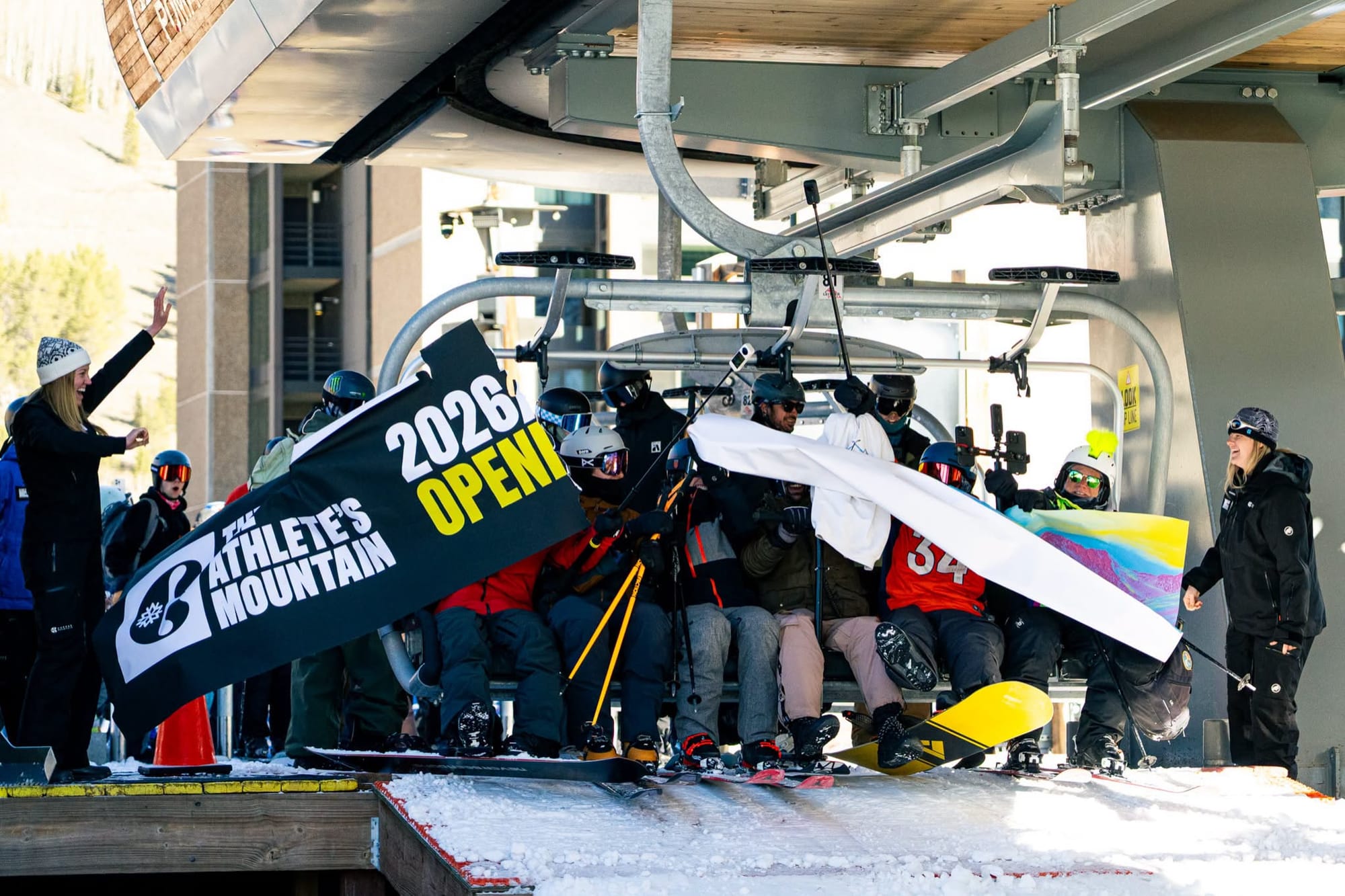
That said Austria’s Sölden now has over 50km (30 miles) of runs open, the most anywhere. We should also mention you can still ski in the southern hemisphere where Chile’s Valle Nevado remains open, albeit now just at weekends with the start of summertime there just over a fortnight away.
About a quarter of open areas are in North America with about 10 areas open now, most of them in either Alberta, Canada and Colorado, USA. In Europe we’ve reached 30 areas open, with Austria and Switzerland both at eight open. Those newly open this week include Gstaad, Verbier and Kitzbühel.
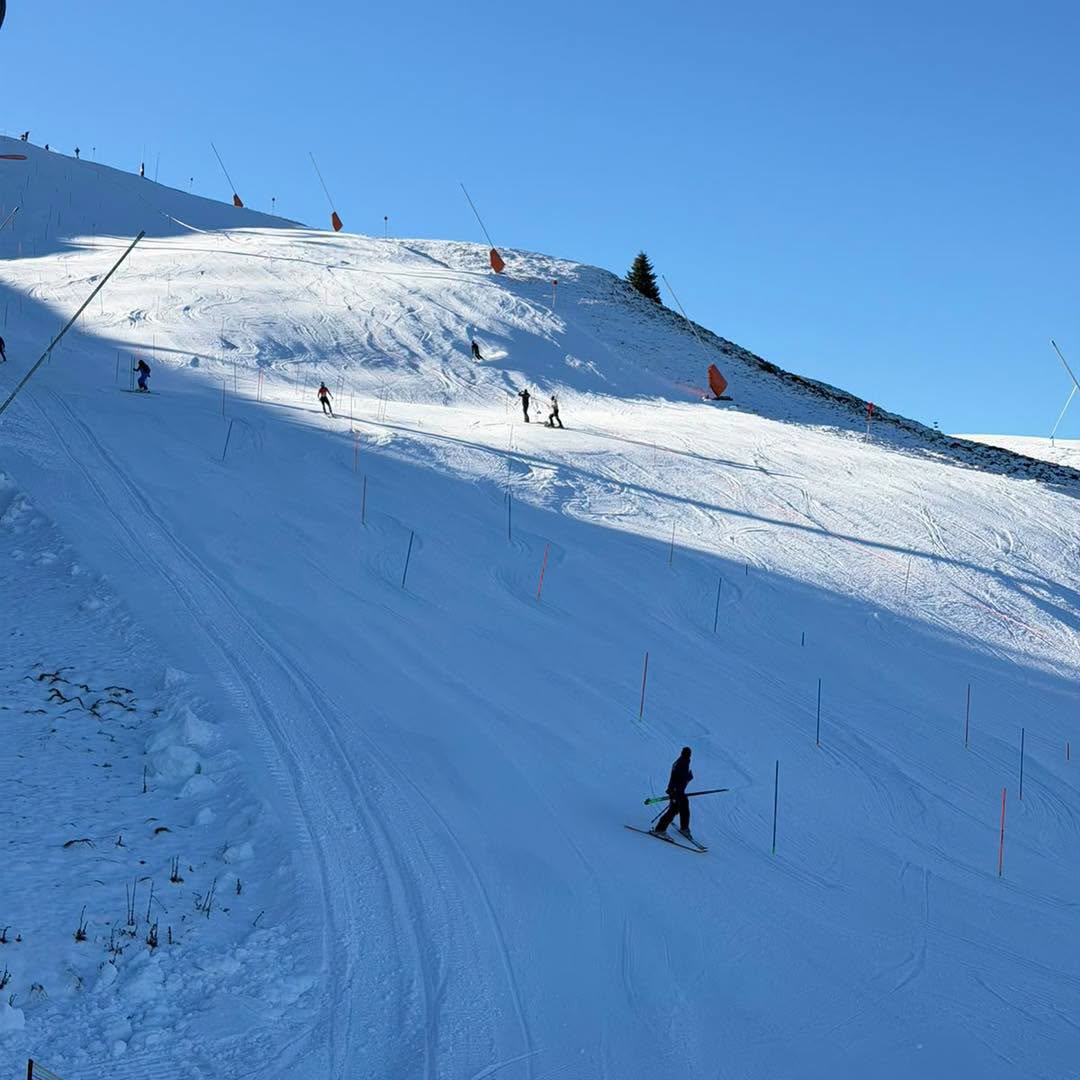
Outside the areas where ski areas have already opened, more snow was reported in the Pyrenees and across much of eastern Europe’s mountainous regions ahead of the seasons getting underway there, later this month.
North America’s 2026–27 ski season is beginning to gather momentum, although conditions remain largely early-season. In Western Canada, all three Banff areas are now open, with Norquay, Lake Louise and Sunshine Village offering limited terrain on thin bases.
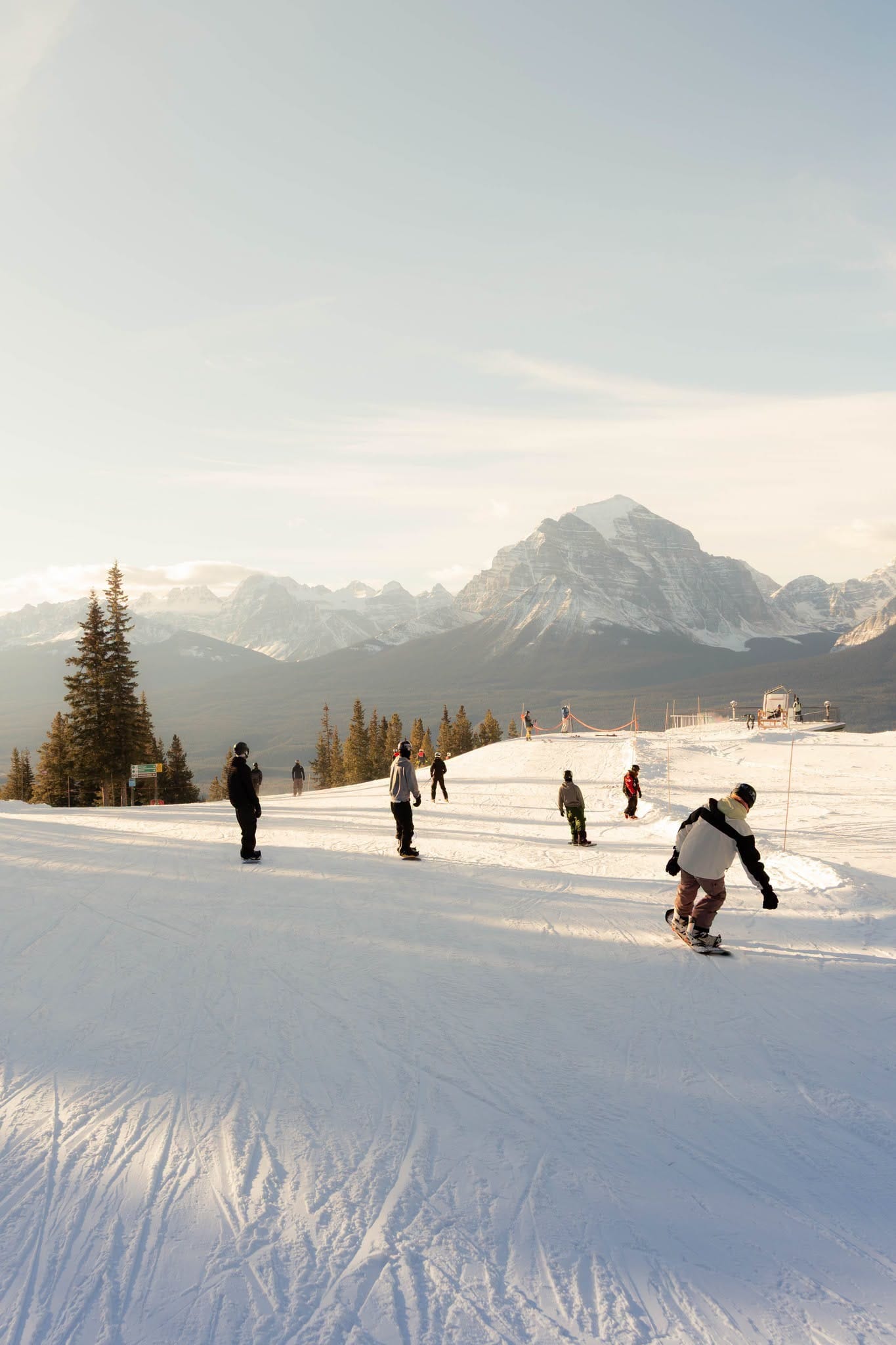
Nakiska also staged a preview opening, while Marmot Basin and Whistler Blackcomb are expected to follow soon. Recent snowfall has been strongest on the British Columbia coast, while colder temperatures have helped preserve snow cover in the Rockies and Kootenays.
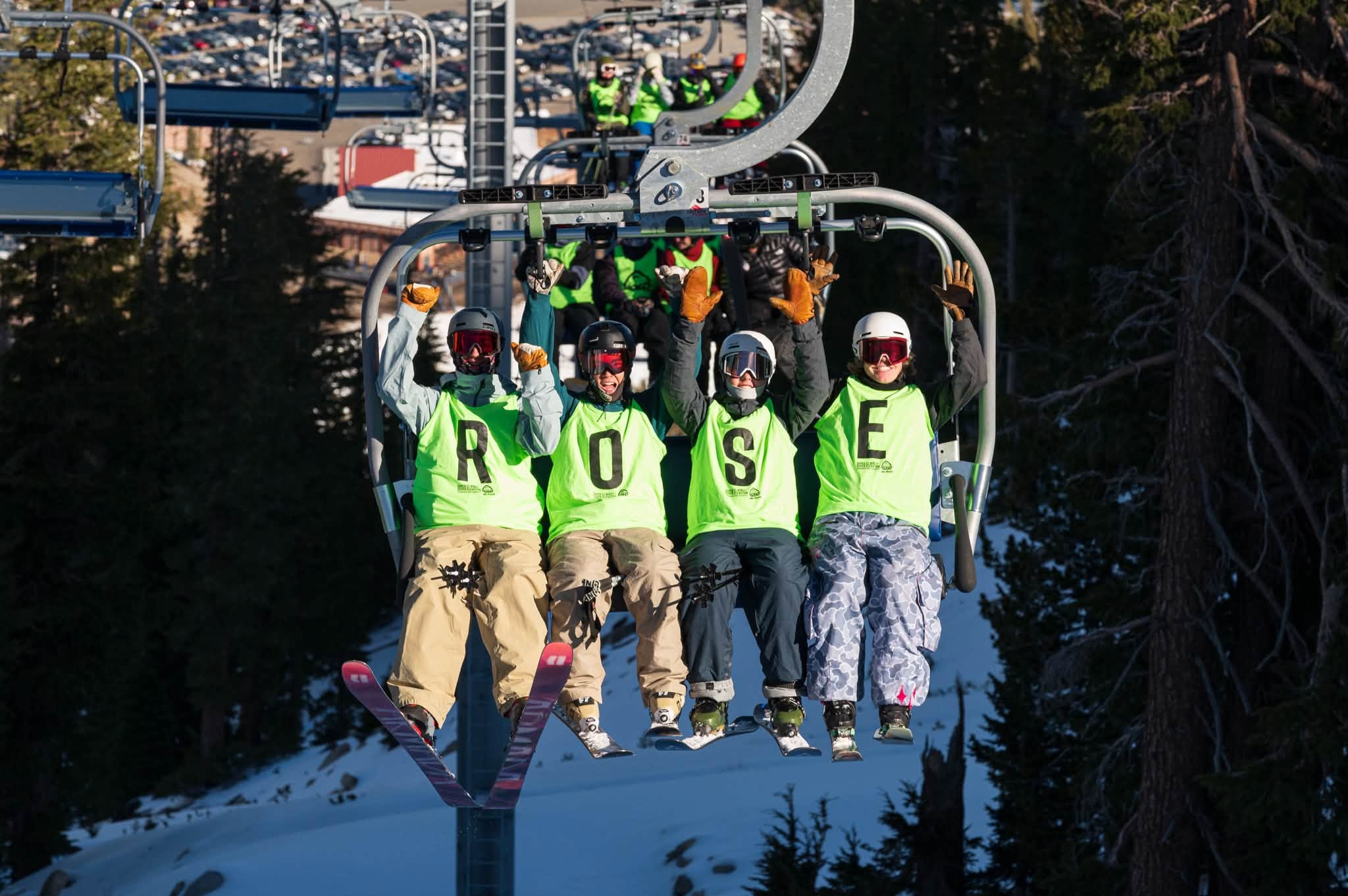
In the US, Mammoth and Mt Rose (pictured below on opening day last weekend) have launched the West Coast season, whilst Keystone, Arapahoe Basin, Breckenridge, Loveland and Copper Mountain are operating in the Rockies despite a challenging warmer spell. On the US East Coast, colder temperatures and increasingly wintry precipitation have improved prospects, with several resorts reporting their first natural snowfalls and preparing for opening day.
Japan’s meteorological agency has warned of yoyoing weather conditions tied to the strong El Niño for the remainder of this month. They’re expecting both much colder temperatures than usual, particularly in Hokkaido and the north of the country, which could be seen as good news for skiers, but they’re also expecting brief warm, wet periods with higher-than-average temperatures which could make things tricky for resorts trying to build bases for the season start. As it is a handful of areas are already open thanks to all-weather snowmaking machines.
In the southern hemisphere, Chile’s Valle Nevado continues operating despite we now being in the final weeks of meteorological autumn/fall there. It’s aiming to go to 1st December, the first day of summer on that measure of the seasons. It reports about 25% of its slopes still open and some fresh snowfall this week. It has dropped to opening weekends for the final weeks though. There was also frost and light snowfall reported at Charlotte Pass and at other ski areas in Australia, rather ironically given the poor snowfall in the country last winter.