Southern Hemisphere Weekly Snow Roundup #326
Weekly Snow News for Southern Hemisphere, updated 7 August 2026: South American slopes reopen after huge snowfalls, while New Zealand ski areas report best conditions of season so far and larger Australian ski centres report most terrain open of season so far.
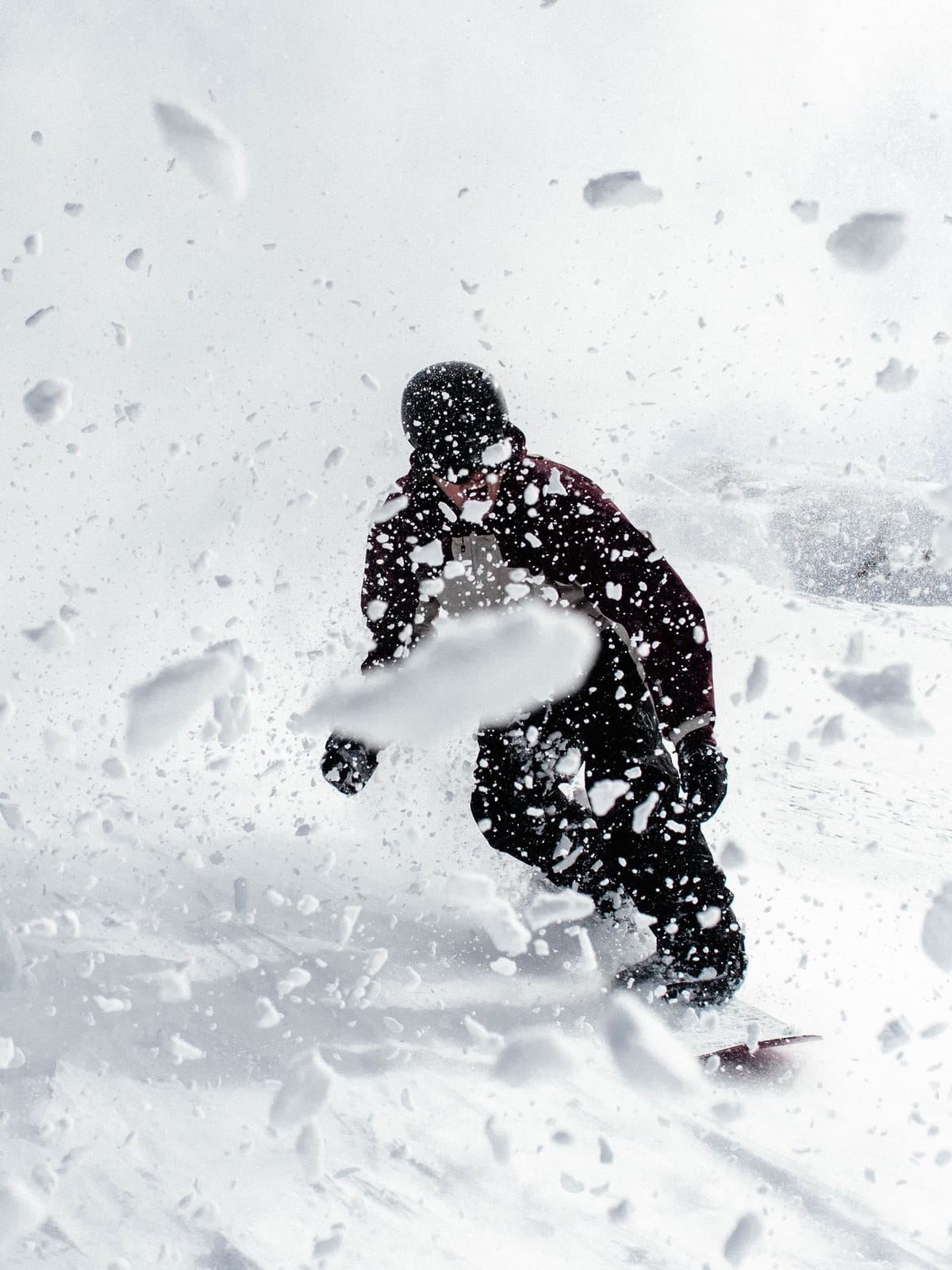
· South America: The snow keeps falling to give current world’s deepest. Slopes reopen but Chile's Portillo’s access road now closed for more than 3 weeks.
· Australia: Some fresh snowfall and cold nights have allowed larger resorts to now open up to 70% of their terrain.
· New Zealand: More fresh snowfall and low temperatures deliver great condition with some smaller centres opening for first time this season.
· Southern Africa: Afriski is nearing the final fortnight of its 2026 season with most terrain open.
SOUTHERN HEMISPHERE INTRODUCTION
Southern Hemisphere ski regions are all seeing their best conditions of the 2026 season so far this week. Although it hasn't had the most fresh snowfall, perhaps the biggest change is in Australia where a mix of fresh snowfall and sustained cold has pushed terrain openings sharply upward with several larger resorts pushing past 50% open for the first time this winter as a result.
After a warm, difficult July, major areas now have growing bases and broad operations, though a few smaller centres remain limited.
Across the Tasman, New Zealand continues its strong mid‑season run, with widespread snowfall, firm overnight freezes and most ski areas now close to full capacity. Conditions are consistently cold, bases are strengthening, and both on‑piste and backcountry terrain are well‑established.
In South America, Argentina and Chile remain locked in a powerful winter pattern. Argentina’s ski areas are 60–100% open after weeks of cold, snowy weather, while Chile has entered a third week of major snowfall. Some Chilean centres are fully open, though extreme accumulations have left parts of the Andes still inaccessible.
Over the Atlantic, Southern Africa stays in a mostly dry, sunny pattern, with only brief dustings and a thinning machine‑made base as its short winter season nears its end.
AUSTRALIA REPORT
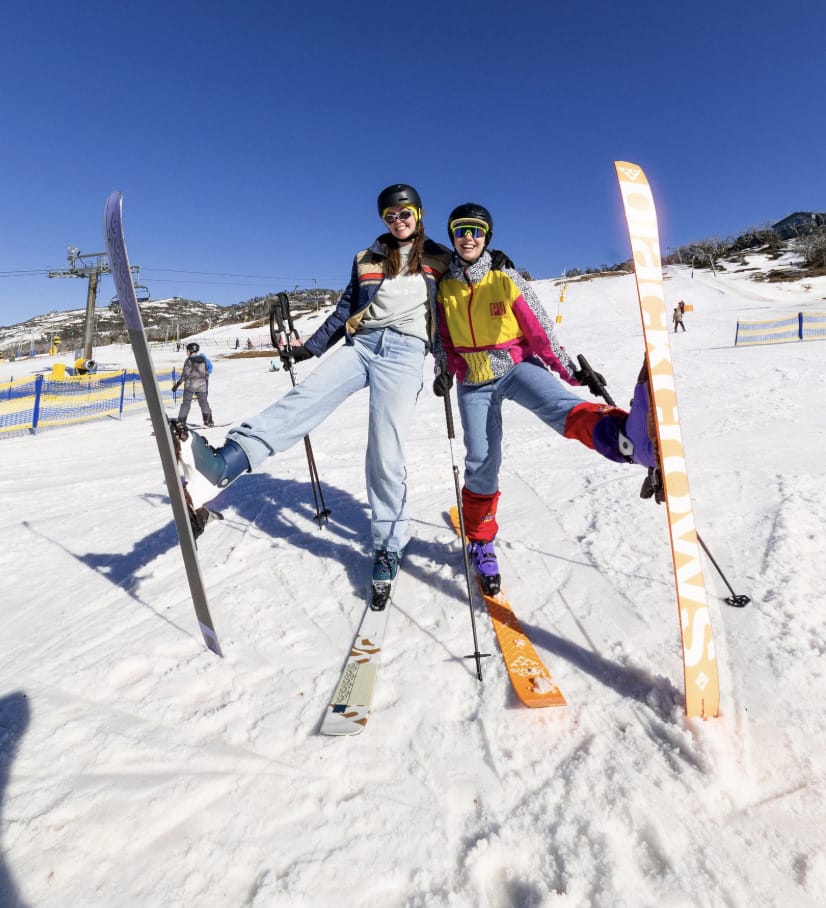
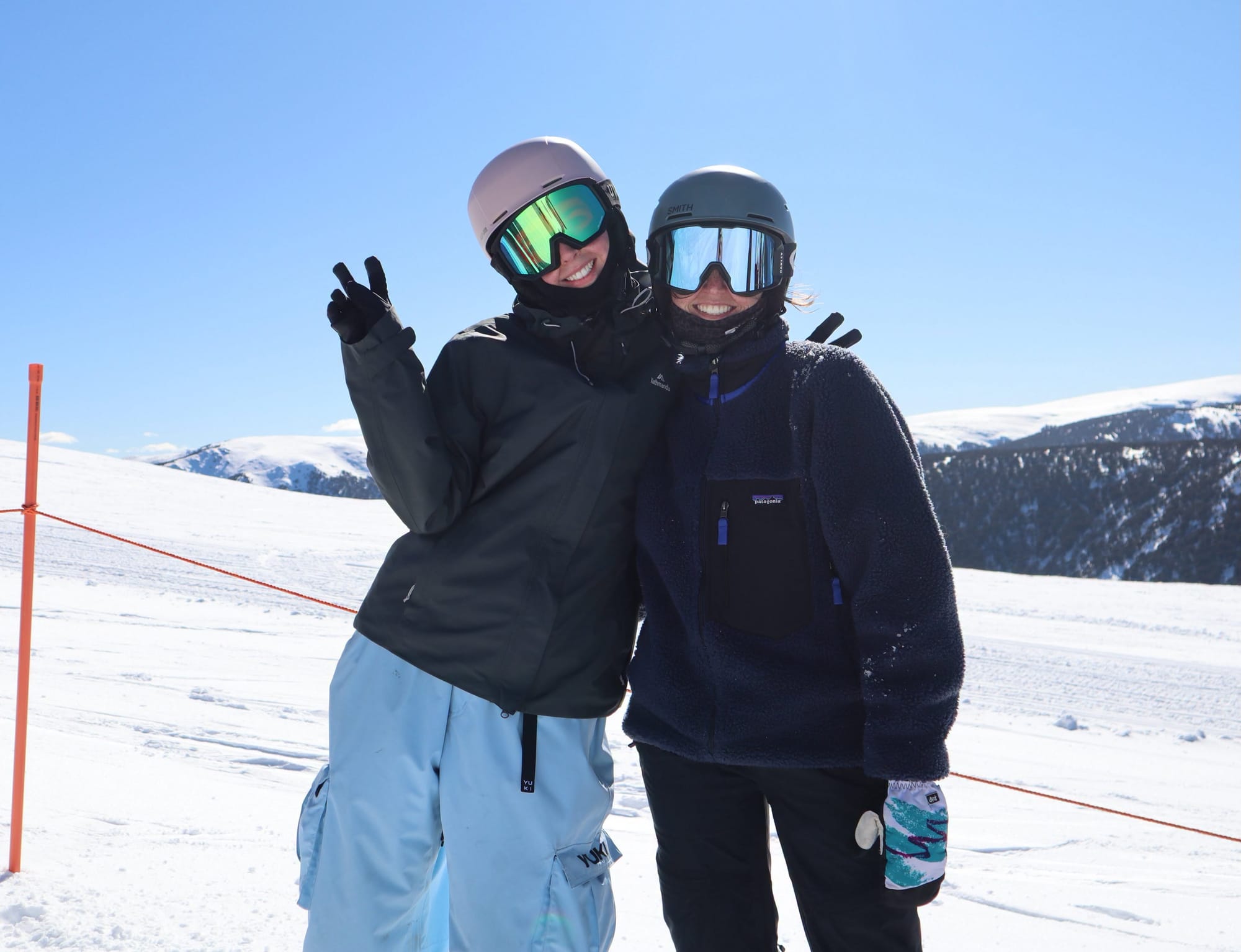
Fresh snowfall and a run of low temperatures suitable for snowmaking have allowed several Australian ski areas to expand terrain significantly over the past week, to the point where they now have more open terrain than any other ski areas worldwide. Perisher (50/90cm / 20/36”) is reporting an upper base approaching 90 cm (3 ft) and nearly 70% of its terrain open; thanks to its large size, that equates to more skiable runs than centres in South America and New Zealand, even though many of those are close to fully open. After a difficult first half of the 2026 season, marked by minimal snowfall and July temperatures averaging 12 °C above normal, other Australian areas have also seen sharp improvements. Thredbo (34/68cm / 13/27”) and Falls Creek (32/50cm / 13/20”) are now close to 70% open, Hotham (40/52cm / 16/21”) is around 50%, though some smaller centres continue to struggle with limited terrain. Aussie ski areas posted further 5-15cm (2-6”) accumulations on Thursday.
AUSTRALIA FORECAST
Sunny conditions are expected to dominate Australian ski areas for the next few days, with mostly clear skies and cold mornings holding temperatures near –2°C to 3°C at altitude overnight. Friday stays bright and calm, ideal for grooming. Saturday remains mostly sunny, though strengthening northwesterly winds may bring a late flurry above 1700 m. A more significant change arrives Sunday as a vigorous front sweeps in, delivering widespread snow and colder air, with heavier falls continuing into Monday.
NEW ZEALAND REPORT
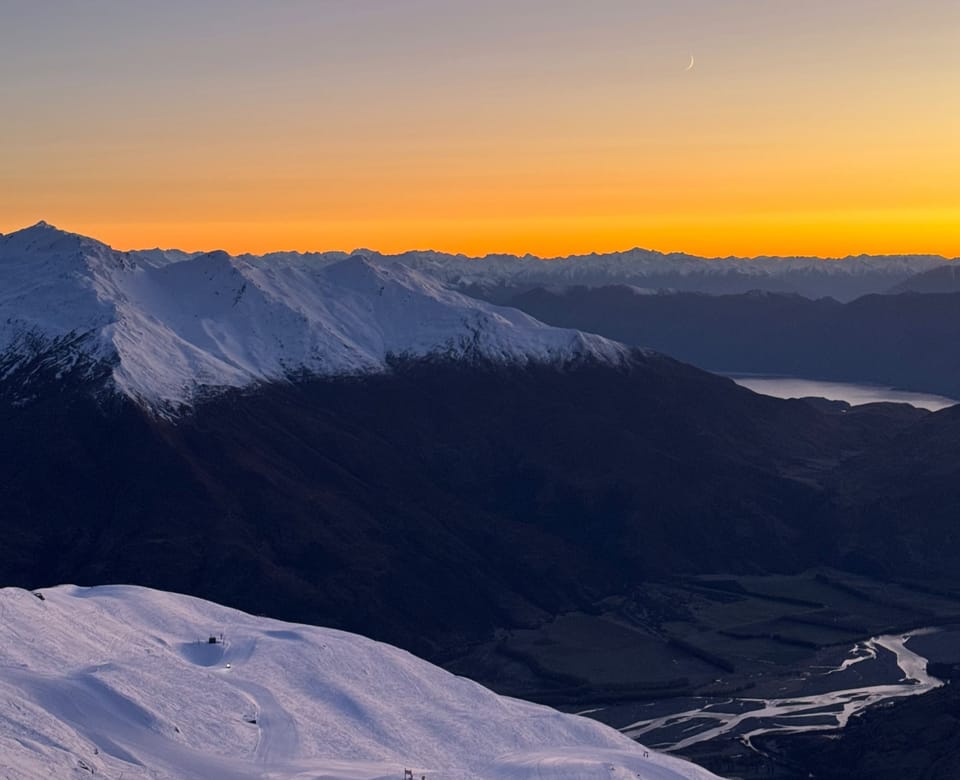
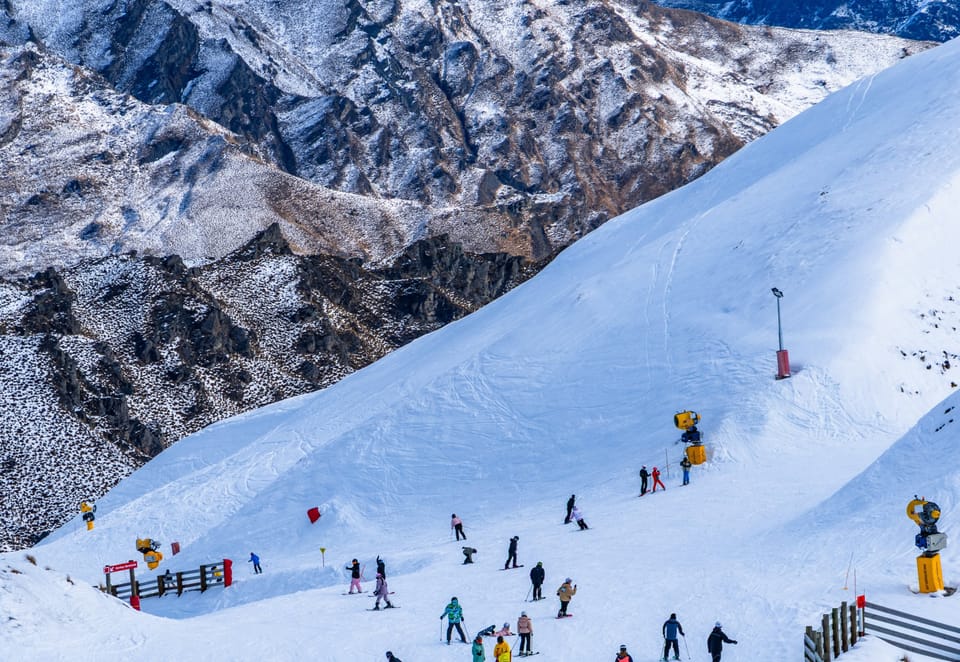
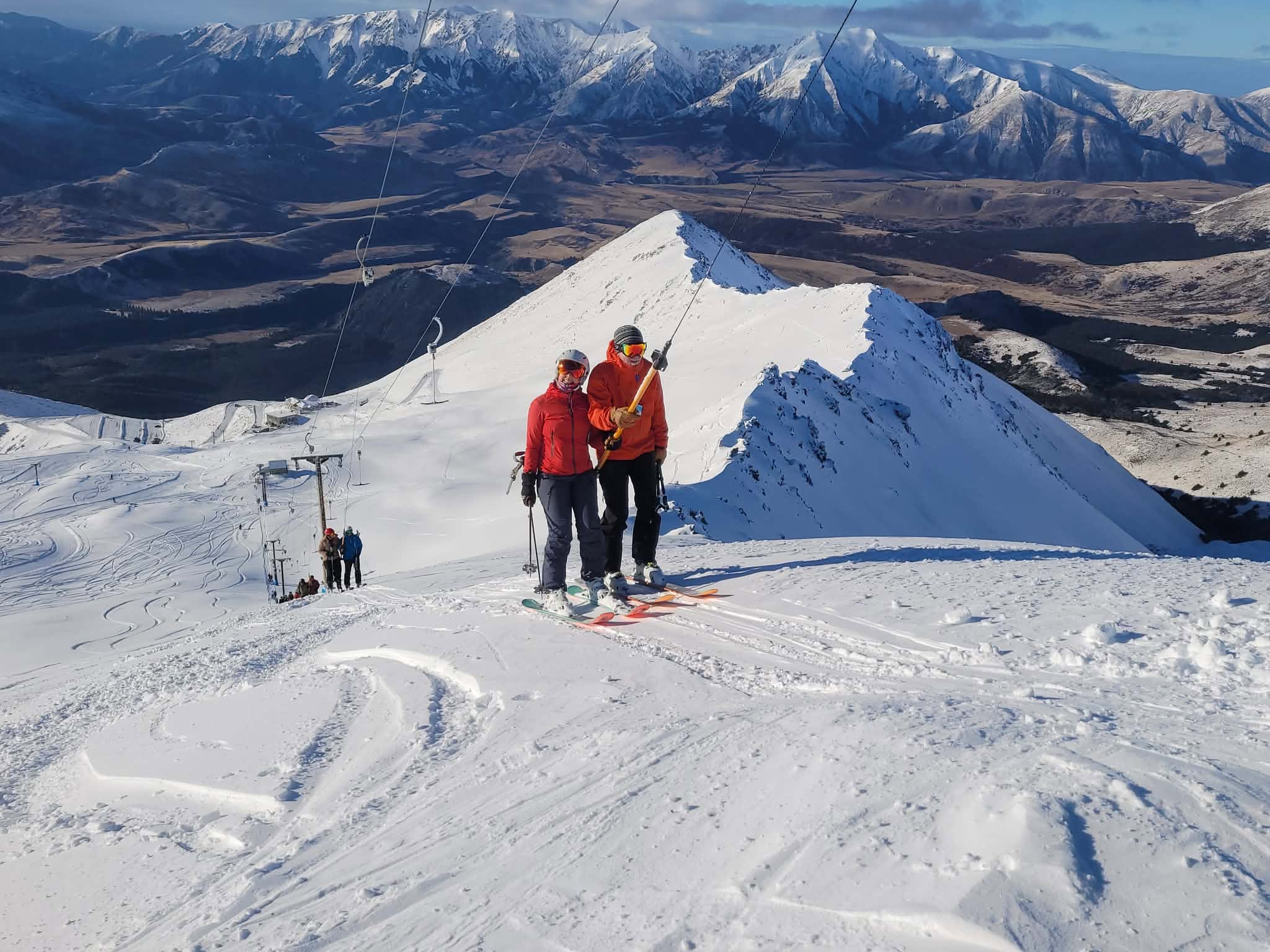
Ski areas in New Zealand have been reporting their best conditions of the season to date thanks to more snowfall and low snowmaking-friendly temperatures overnight, giving a fresh powder coast on increasingly established bases and opening up some classic backcountry descents. Most of the country’s ski areas are now at or close to full operations with increasingly healthy base depths. Mt Hutt (106/169 cm / 43/68") leads the way on the latter stat and now reports its slopes 100% open. Cardrona (45/55cm / 18/22") is at 95% open and, with its slightly larger area following expansion last winter, now has the most terrain open in the country. Fully open Coronet Peak (20/30cm / 8/12") also reports its slopes fully open despite its relatively thin cover, offering the same amount of kilometres as Mt Hutt. Some smaller NZ ski areas and club fields are only just starting their seasons, including Mt Cheeseman which opened for the first time in 2026 at the weekend and Rainbow, which currently plans to open this coming weekend.
NEW ZEALAND FORECAST
Sunny, settled weather is expected across New Zealand ski areas initially, with crisp mornings and firm surfaces. Then cloud increases Friday as a colder southwest change reaches the South Island, delivering light to moderate snowfall to higher Canterbury and Southern Alps fields. Saturday should turn brighter again before a stronger front arrives late, spreading heavier snow across both islands into Sunday. Colder air keeps snow showers going through Monday, especially on upper slopes.
ARGENTINA REPORT
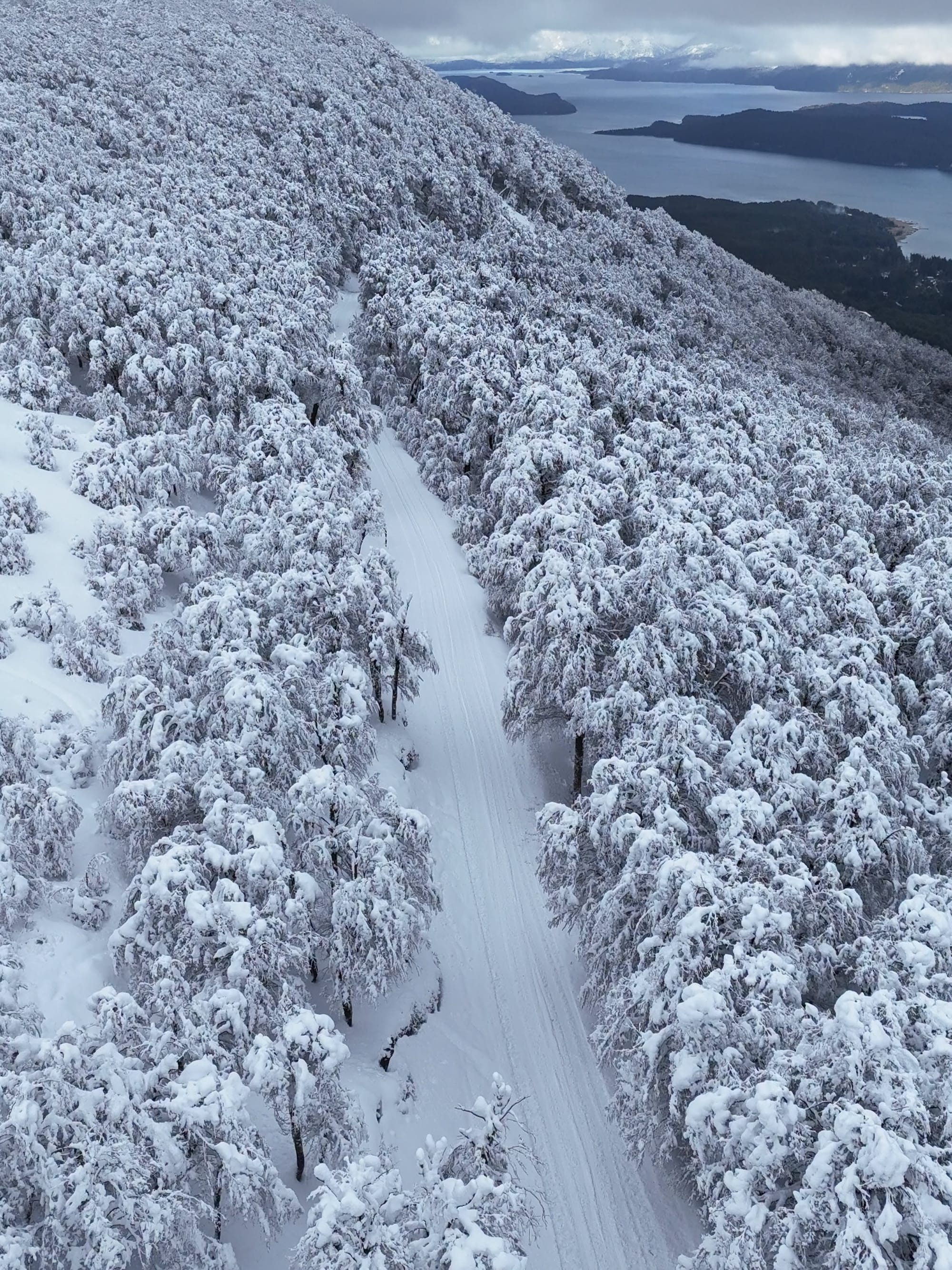
Conditions are the best they’ve been all season at Argentina’s ski areas, all of which are now open and operating 60-100% of their terrain. The improvement follows several weeks of predominantly cold, snowy weather delivering mid‑winter bases, though snow depths vary widely. Las Leñas (80/230cm / 32/92”) currently has the deepest snowpack not just in Argentina but one of the deepest in the world, and almost 60% of its terrain open. Chapelco (5/115cm / 2/46”), which is 75% open and Caviahue (60/120cm / 24/48”) also report substantial upper‑mountain depths, though Chapelco’s base remains thin. The southern hemisphere’s largest area, when fully open, Catedral (60/70cm / 24/28" near Bariloche offers the most open kilometres, with 53% of slopes available on a 60–70 cm base. Even at just over half open, its 48km (25 miles) of runs is now the most open anywhere in the world at present. Elsewhere, Cerro Bayo (5/50cm / 2/20”) is fully open despite reporting thin snow cover at its base, while in the far south Cerro Castor (25/50cm / 10/20”) provides partial terrain on lighter cover. Overall, conditions are mixed but improving, with most areas offering solid skiing particularly on higher terrain.
ARGENTINA FORECAST
A cold, wintry pattern dominates Argentina’s ski areas through the latter half of this week, with widespread sub‑zero temperatures and frequent snow showers forecast. Upper‑mountain highs range from –6 °C to –16 °C, with bases generally between –1 °C and –12 °C. Catedral, Chapelco, Caviahue and La Hoya trend cold and unsettled, bringing light to moderate snow through the day. Conditions remain fully wintry, with fresh accumulations likely across most major resorts until the weekend when skies are expected to clear and sunshine return.
CHILE REPORT
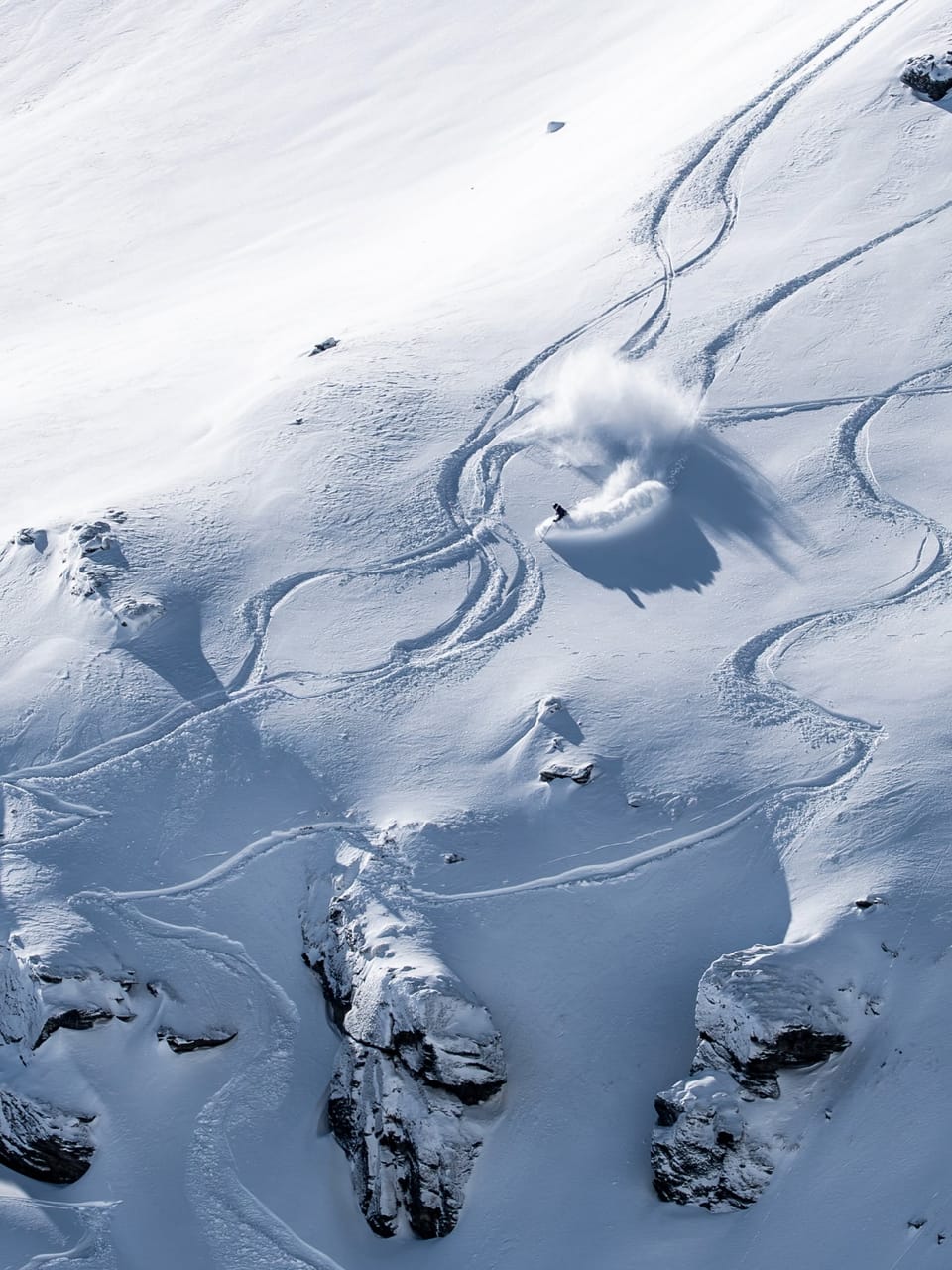
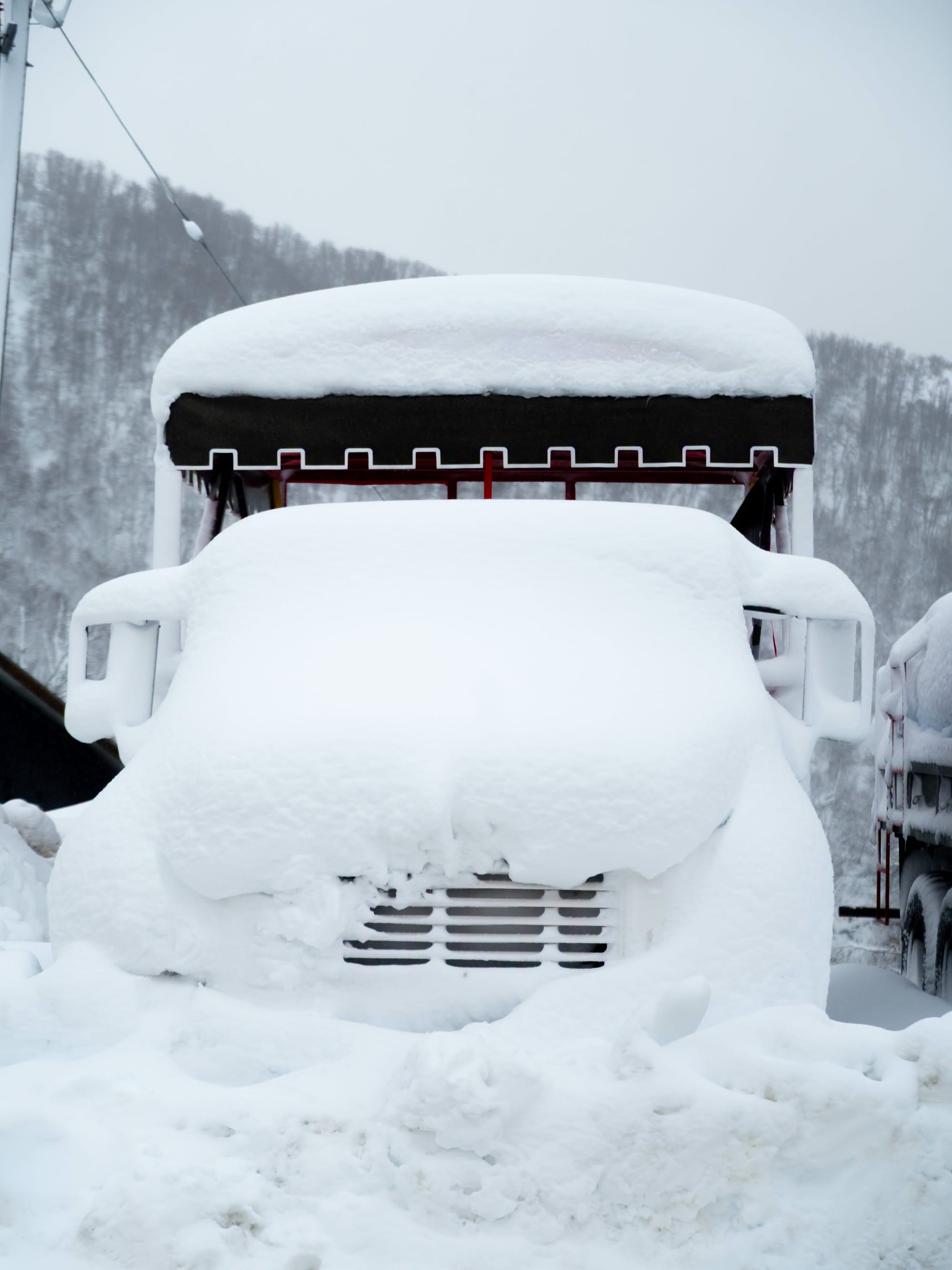
There’s been a third week of significant snowfall in Chile. Portillo (250/280cm / 100/112”) currently holds the deepest snowpack in the world. However, after being unable to open in June due to too little snow, it has since been hit by over 6 m (20 ft) of snowfall over the past three weeks. It passed the 6m mark on Saturday, accumulated over the previous 16 days. The extreme conditions have left the resort cut off by road for three weeks now. However, at the weekend it started bringing new guests in by helicopter and opened its slopes, or about a third of them initially, for those who had flown in or had never left during the storm. By contrast, Chilean ski areas that have also had a lot of snowfall (up to 3m/10 feet plus in the same period) have been able to clear access roads and open slopes. Valle Nevado (90/170cm / 36/68") is now 100% open and nearby El Colorado (50/85cm / 20/34") has opened 90% of its runs, so both are among the top 10 areas for open terrain worldwide at present.
CHILE FORECAST
After all the snowfall, central and northern Chilean ski areas are expected to stay mostly sunny and stable from Thursday, with cold mornings and firm conditions under light winds. Central zones see increasing cloud Friday but remain largely dry. Further south, a colder Pacific front arrives Friday, bringing moderate snowfall to higher‑elevation resorts and strengthening southwest winds. Saturday offers brighter spells before another, stronger system moves in late, delivering heavier snow across southern regions into Sunday. Snow showers linger into Monday with gradually easing winds.
SOUTHERN AFRICA REPORT
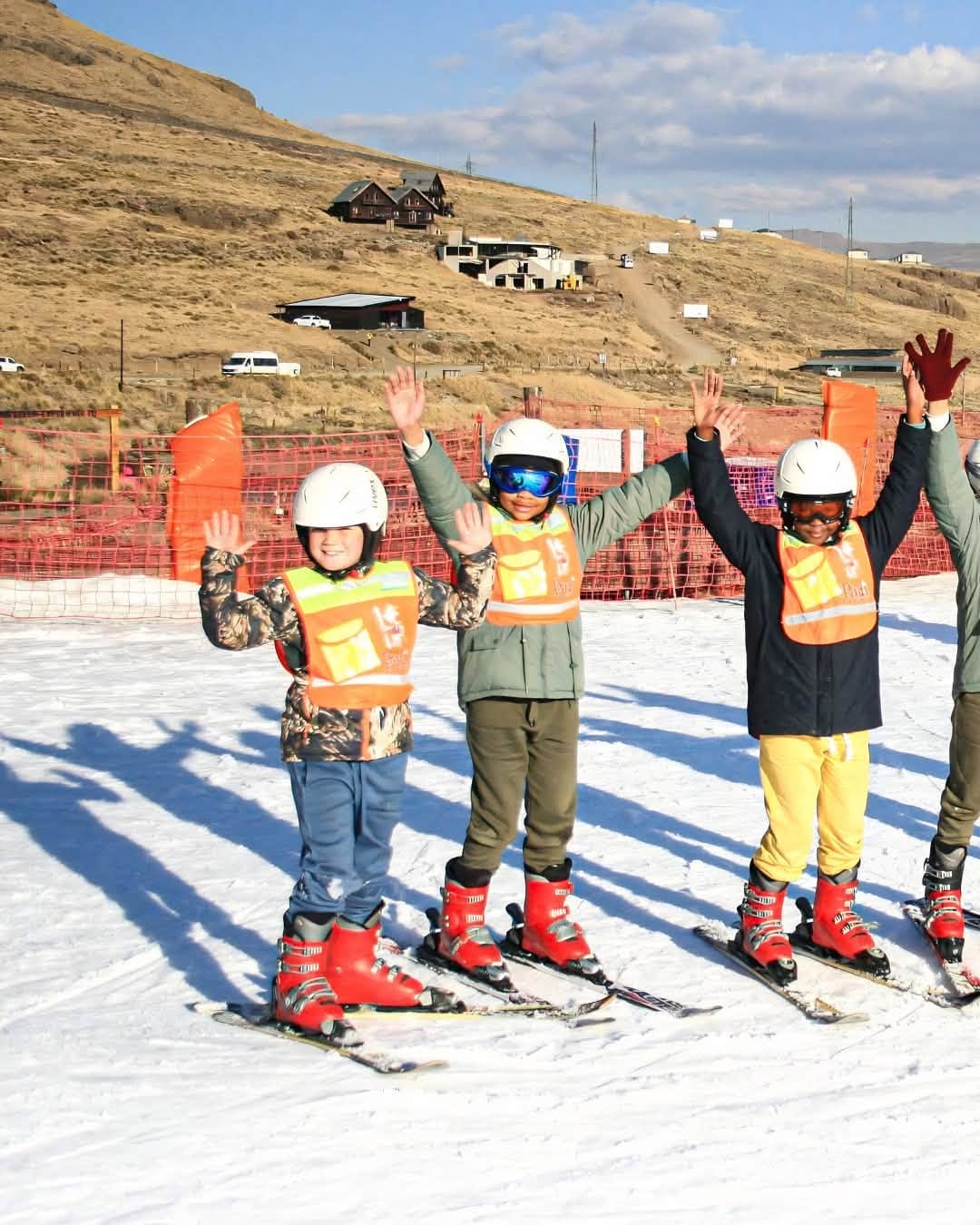
A light snowfall brushed Lesotho’s Afriski (5/15cm / 2/6”) at the weekend, leaving a thin, temporary coating across the off‑piste slopes that frame the resort’s main run. That’s normally a narrow ribbon of white machine‑made snow on the brown hillside. The piste is currently about 1.2 km long, roughly two‑thirds of its full extent, down a little on the past few months with the reported base depth also thinning slightly. Daytime temperatures have continued to rise to around +12 °C, with overnight lows only briefly touching freezing to –1 °C. Following the brief dusting, conditions have reverted to clear skies and full sunshine. The 2026 season has just two weeks left, culminating in the Winterfest on 22 August, which will close the season a week earlier than usual.
SOUTHERN AFRICA FORECAST
Afriski stays under a settled, mostly sunny pattern this week, with clear skies and mild afternoons. Highs reach +12 °C, while nights drop to -3 to –7 °C, keeping conditions dry and stable. Humidity remains low and winds light, offering consistently firm surface conditions on the slopes in the morning. A brief change is forecast from 10 August, when cooler temperatures and rain showers are expected to move through, but overall the week ahead remains dominated by bright, dry mountain weather.