US Skier Visits Drop Dramatically After Poor Snowfall Winter in the West
America's National Ski Areas Association, reports the country’s ski centres saw an estimated 52.6 million snowsports visits during the 25-26 season, a decline of approximately 9 million visits from last season and ranking 32nd out of 48 seasons on record.
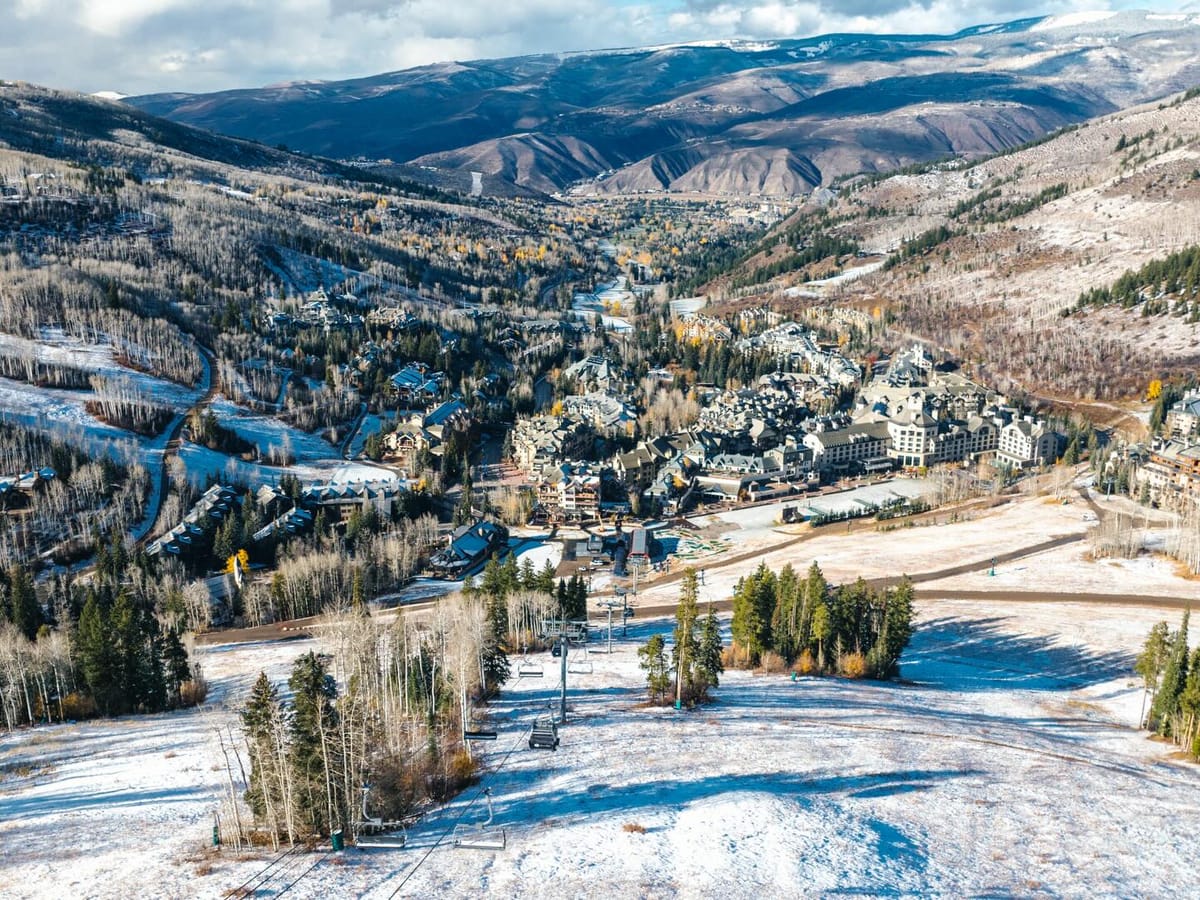
Preliminary data from the USA’s association of ski areas, the National Ski Areas Association (NSAA), indicates that the country’s ski centres saw an estimated 52.6 million snowsports visits during the 25-26 season, representing a 9.1% decrease from the 10-year average, a decline of approximately 9 million visits from last season, (which saw 61.5 million), and ranking 32nd out of 48 seasons on record. While challenging weather in the West drove the overall decline, regions east of the Rockies delivered strong seasons.
“Few seasons demonstrate as clearly as this one how dependent our industry remains on regional weather patterns,” said NSAA President and CEO Michael Reitzell. “Challenging conditions across much of the West, including a slow start, rain events, and record March warmth, significantly impacted visitation throughout the season.”
While Western conditions weighed heavily on national visitation, strong performance in regions east of the Rockies, particularly in the Northeast and Southeast, helped make the overall national result not as bad as it could have been. More consistent temperatures and snowfall in these areas supported solid participation throughout the season. Vail Resorts Chief Executive Officer, Rob Katz had earlier reported visitation to the company’s resorts in the Rocky Mountains were down 25%.
The Northeast and Southeast each delivered their second-best seasons of the past decade, with the Northeast benefiting from an early start and consistent snowfall. Ski areas in the Southeast also continued to demonstrate the effectiveness of extensive snowmaking coverage, while the Midwest capitalized on colder temperatures and operational efficiency.
NSAA divides the country into six regions. In 2025-26, the Rocky Mountain region led with 20.1 million visits, followed by the Northeast (12.9 million), Midwest (5.8 million), Pacific Southwest (5.7 million), Southeast (4.8 million), and Pacific Northwest (3.2 million).
Snowfall trends have long influenced visitation, and the 2025-26 season was no exception. Average snowfall nationally totalled 112 inches, falling well below the 10-year average of 169 inches and the lowest in more than a decade. While regions east of the Rockies were near or above average, every Western region fell well below average. Even so, operating days nationally declined only modestly, despite snowfall totals falling 33% below average, reflecting continued investment in snowmaking and infrastructure.
The NSAA also reported season passes like Ikon and Epic remained the dominant way for Americans to buy their ski slope access, with of 49% of visits nationally recorded this way, although after rapid growth over the past decade in this type of ticket sale, that percentage was little changed for the second year. Daily and multi-day tickets made up 31%.
The NSAA notes that historical trends show that lower-snow seasons are often followed by stronger years.
“We’ve seen time and again that a lower-snow season is often followed by a strong rebound,” said Reitzell. “With continued investment, a stable base of participants, and the passion that drives skiers and snowboarders, we’re already looking ahead to next season.”