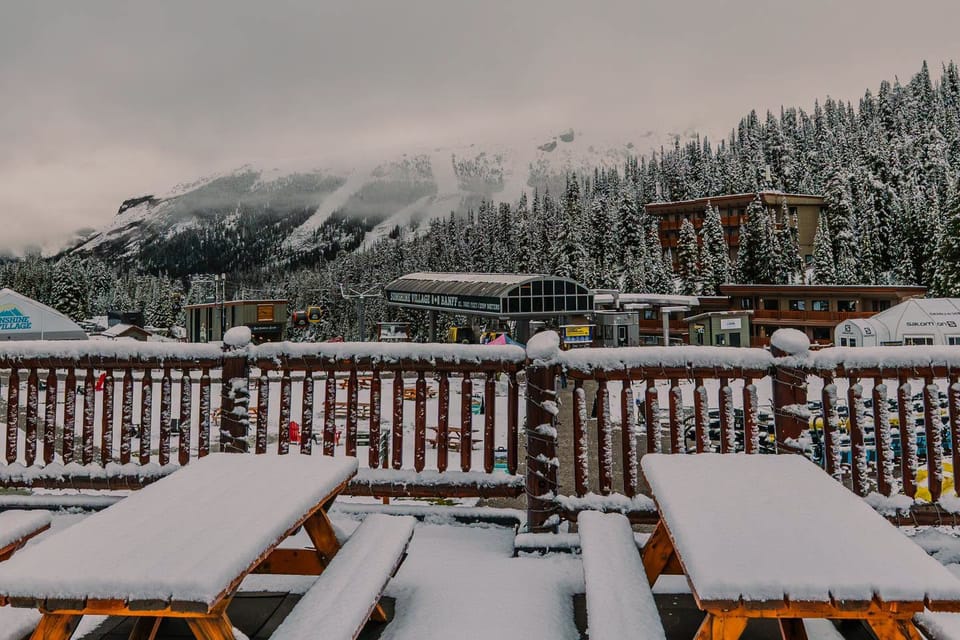
Global Weekly Snow Roundup #325
Weekly Snow News for the Global snow scene, updated 30 July 2026: South America tops global headlines with over 6m (20ft) of snowfall, while New Zealand nears full operations and Australia finally receives 10–15cm (4–6") of fresh snow.
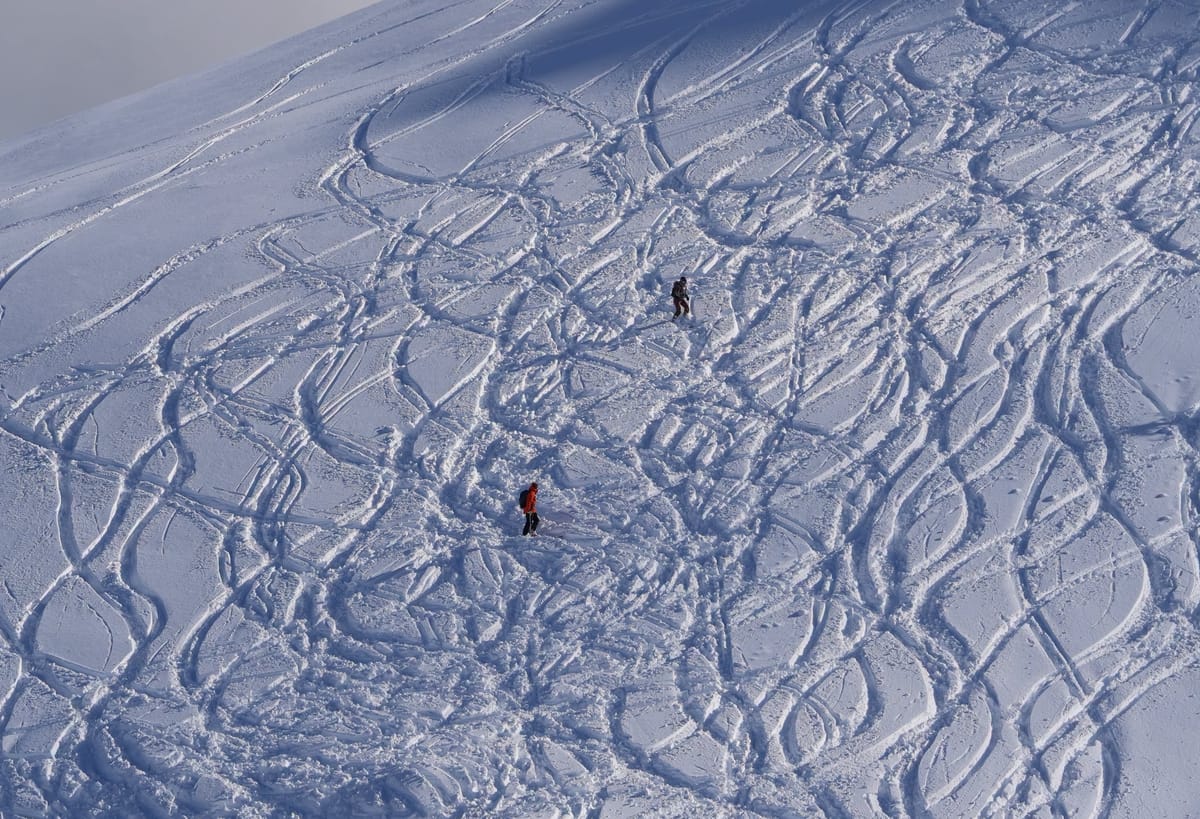
- South America: Up to 6m of snow in two weeks has transformed conditions in Chile and Argentina.
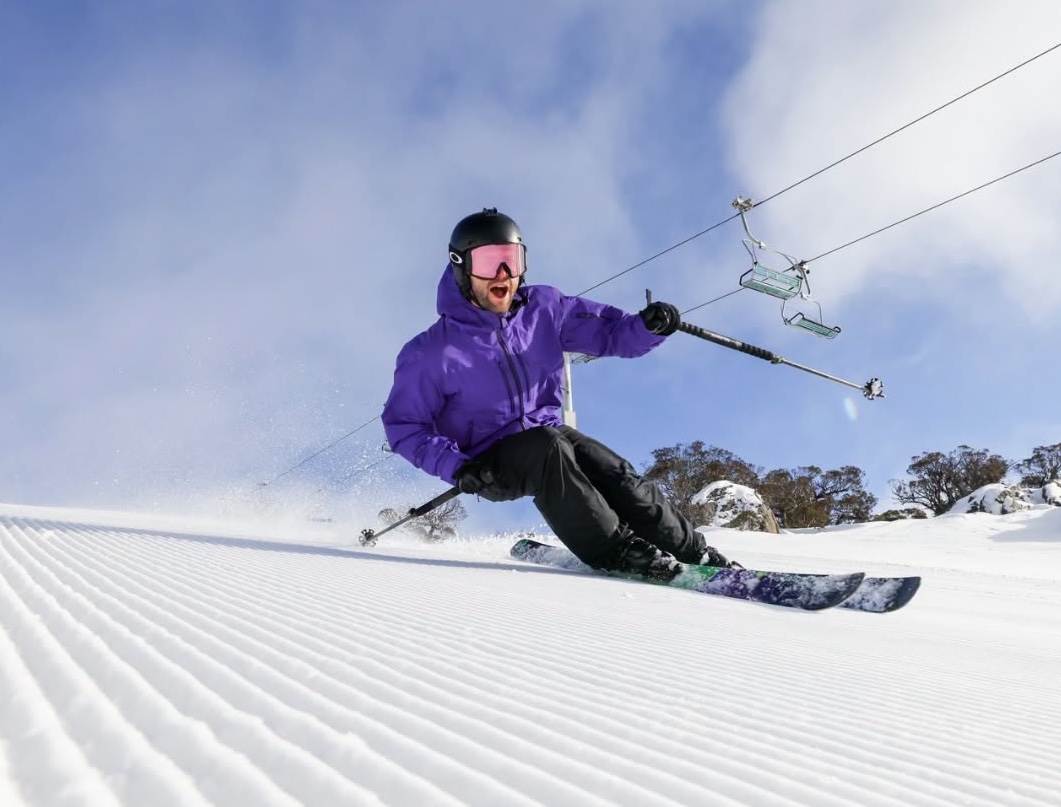
- Australia: Warm weather persists, but fresh snowfall and snowmaking have improved conditions.
- New Zealand: Up to 40cm of fresh snow has pushed most resorts close to full operation.
- Northern Hemisphere: Summer glacier skiing continues in Europe, with limited skiing in North America.
World Overview
July closes with a sharply divided picture across the world’s ski regions, with the southern hemisphere continuing to experience contrasting fortunes. In South America, both Argentina and Chile saw the major shift that began last week after a largely snow‑poor early season continue, with some resorts now posting over 6m (20 feet) of snowfall in the past fortnight. This famine-to-feast snowfall switch has brought welcome relief and allowed rapid expansion of open terrain at most areas, although the sheer volume of snowfall has created short‑term operational challenges as access routes and slopes are cleared. The transformation has been particularly notable in central and southern parts of the Andes, where snow totals have reached or surpassed typical seasonal averages.
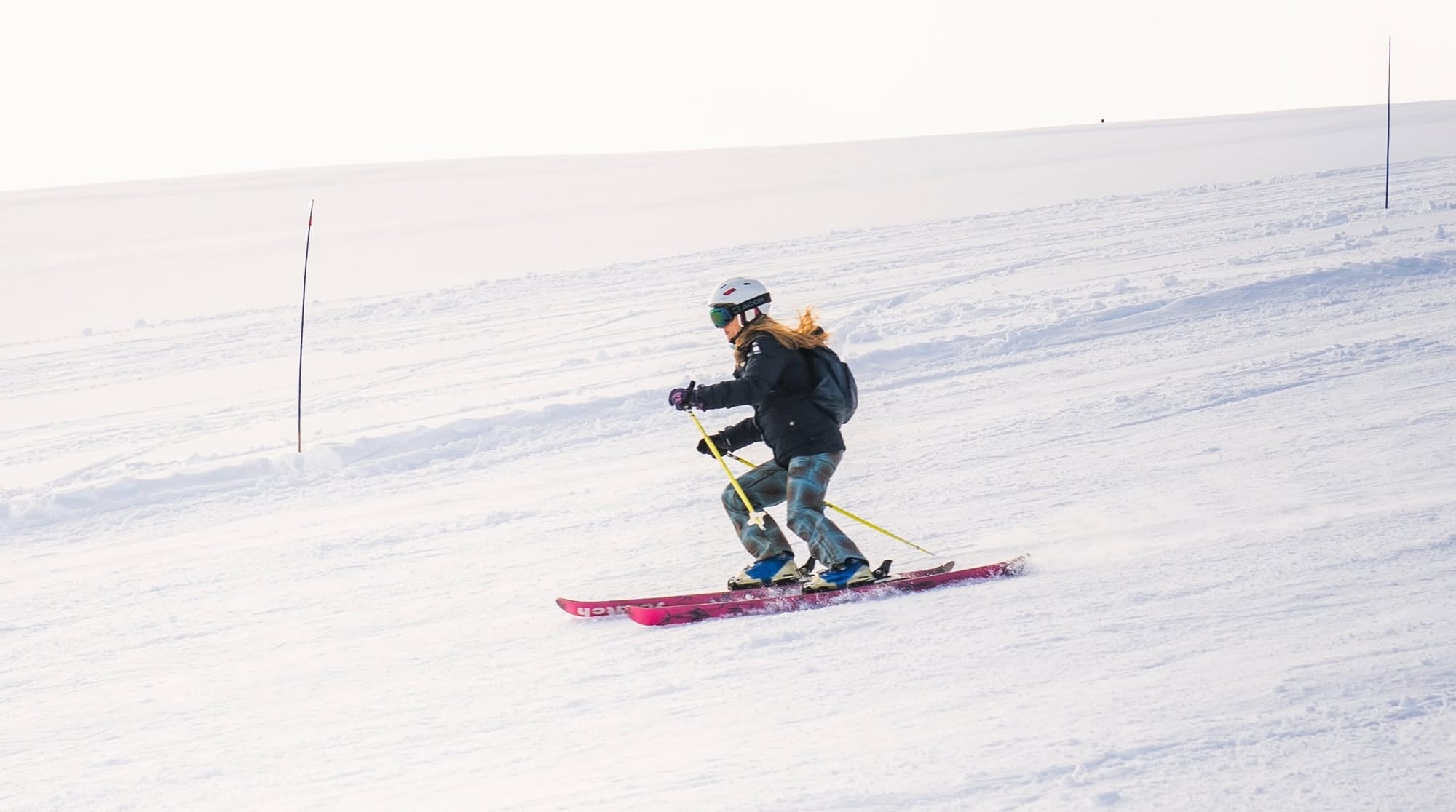
By sad contrast Australia endured another difficult week, with temperatures running far above seasonal norms and only intermittent snowfall. That said there was good news on Wednesday with 10-15cm (4-6”) of snowfall with cold temperatures too for snowmaking. This new natural snowfall has helped to maintain the still limited terrain currently able to open thanks to the heroic effort of resort teams, much of the country’s skiable area remains restricted.
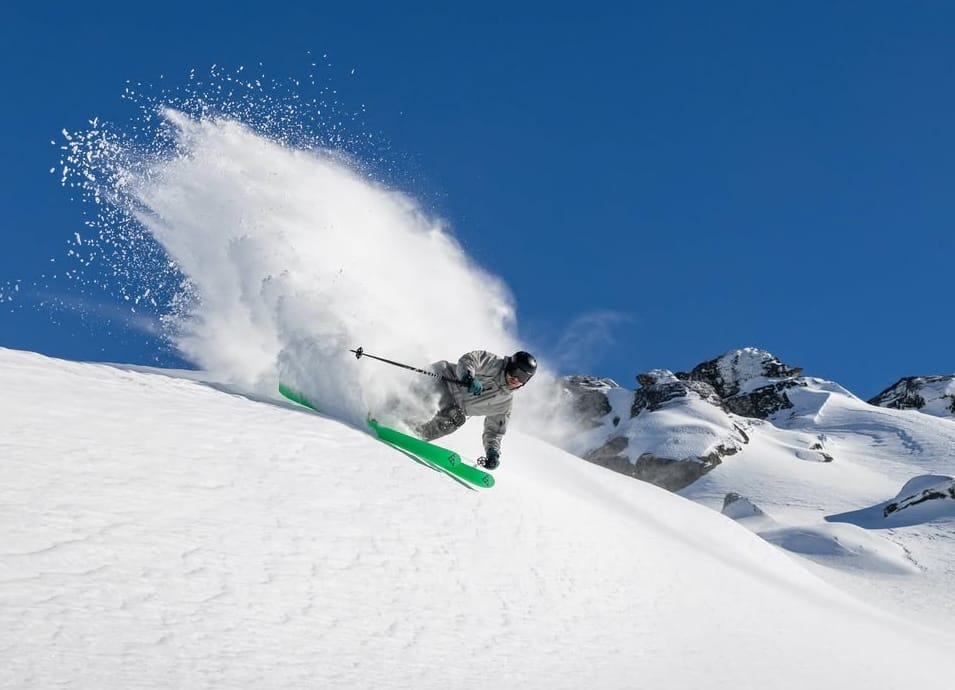
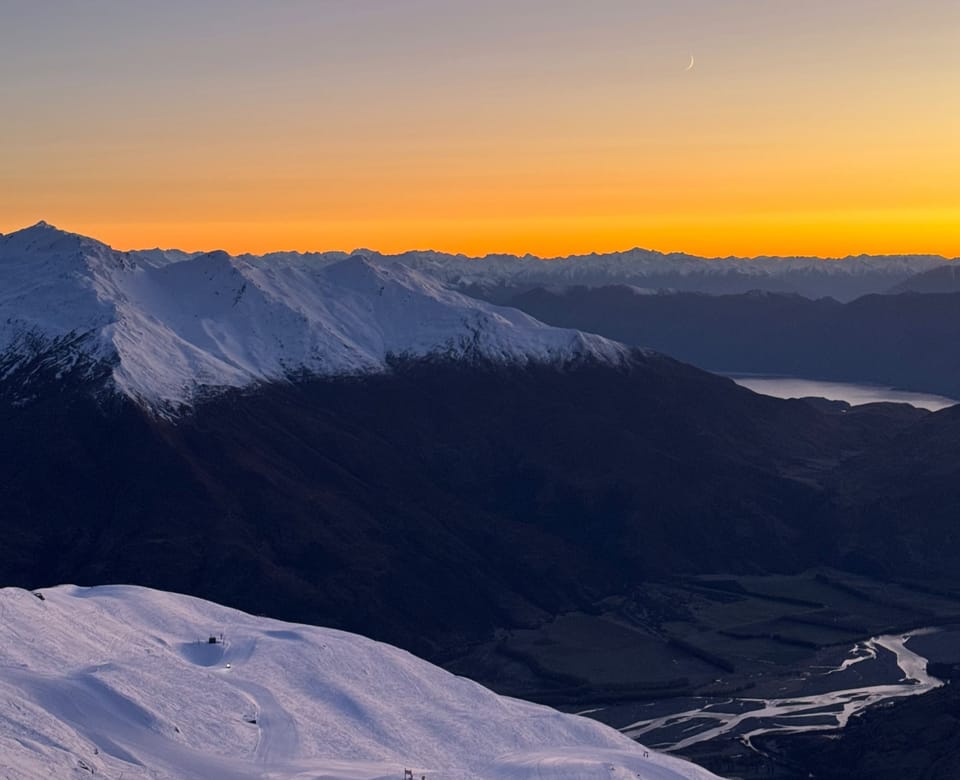
Across the Tasman Sea, New Zealand has enjoyed one of its strongest weeks of the season, with widespread snowfall and up to 40cm (16”) recorded over the weekend and colder temperatures supporting extensive terrain openings. Most of the country’s skiable areas are now operating close to full capacity.
Further north in the southern hemisphere, Southern Africa continues to operate through mid‑winter with generally stable conditions, supported by colder spells and occasional light snowfall.
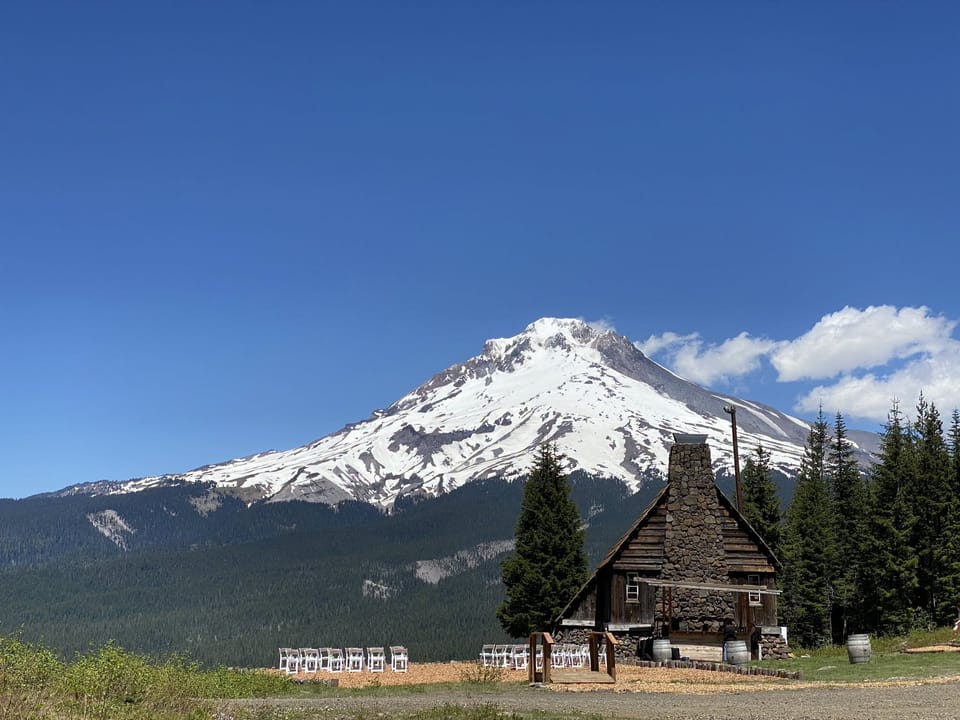
Meanwhile, in the northern hemisphere, summer operations persist only at a handful of high‑altitude glacier centres in Europe’s alps and in Scandinavia and limited indoor or hike‑to options in North America, as attention gradually shifts toward the approaching 2026–27 winter season.