Italy’s Stelvio Glacier Celebrates 90 Years of Summer Skiing
The Stelvio Glacier, a short drive from the centre of this historic ski town, opens for its 2026 season on 30 May and doesn't close until 1 November, giving skiers nearly six uninterrupted months on the mountain through summer and autumn.
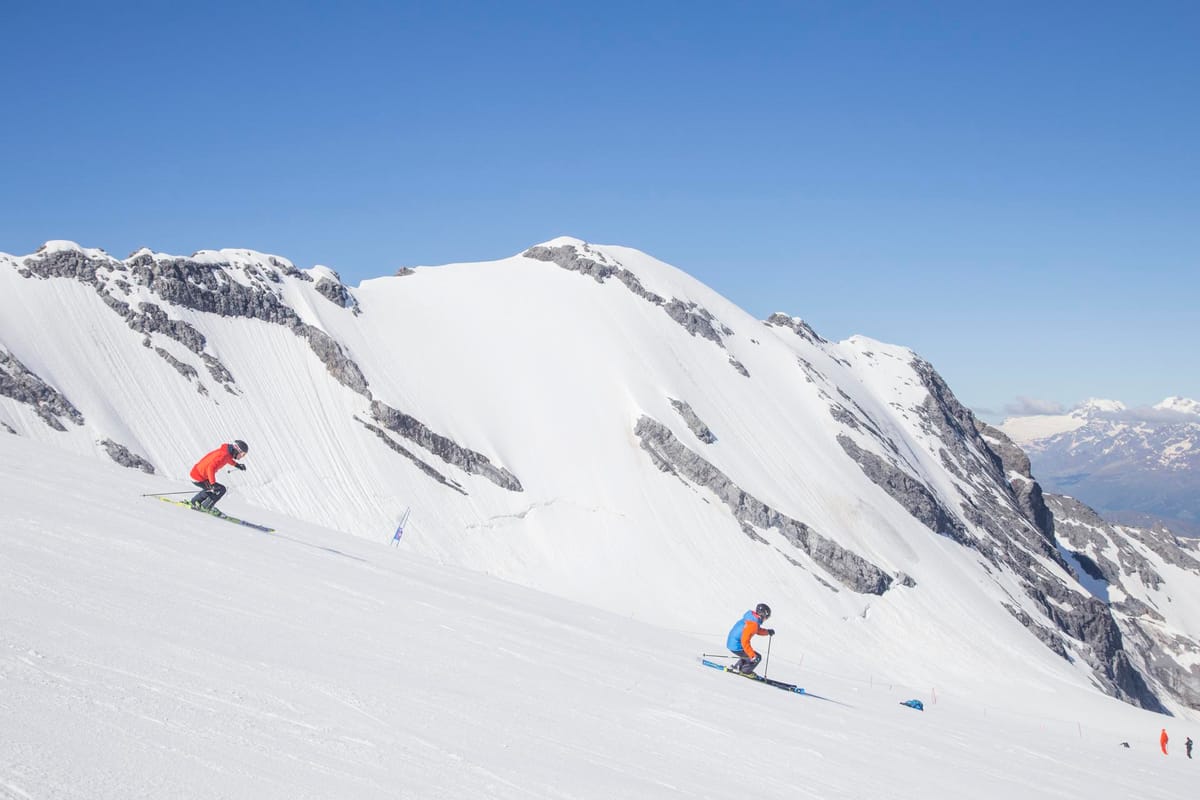
The Olympic races of Milano Cortina 2026 may be over, but Bormio's place at the heart of snow sports is far from finished for this year. The Stelvio Glacier, a short drive from the centre of this historic ski town, opens for its 2026 season on 30 May and doesn't close until 1 November, giving skiers nearly six uninterrupted months on the mountain through summer and autumn.
The centre’s summer skiing story is one of the world’s oldest, going back to the 1930s, when the Bergamo section of the CAI (Italian Alpine Club) built Rifugio Livrio and ran the first alpine ski and ice climbing courses on these slopes. What started as a mountaineering outpost gradually became something else entirely: a summer ski destination with a reputation that spread across Europe, drawing families who returned year after year and passed the habit on to their children. That continuity is part of what makes Stelvio feel different: less like a facility, more like a place with genuine roots.
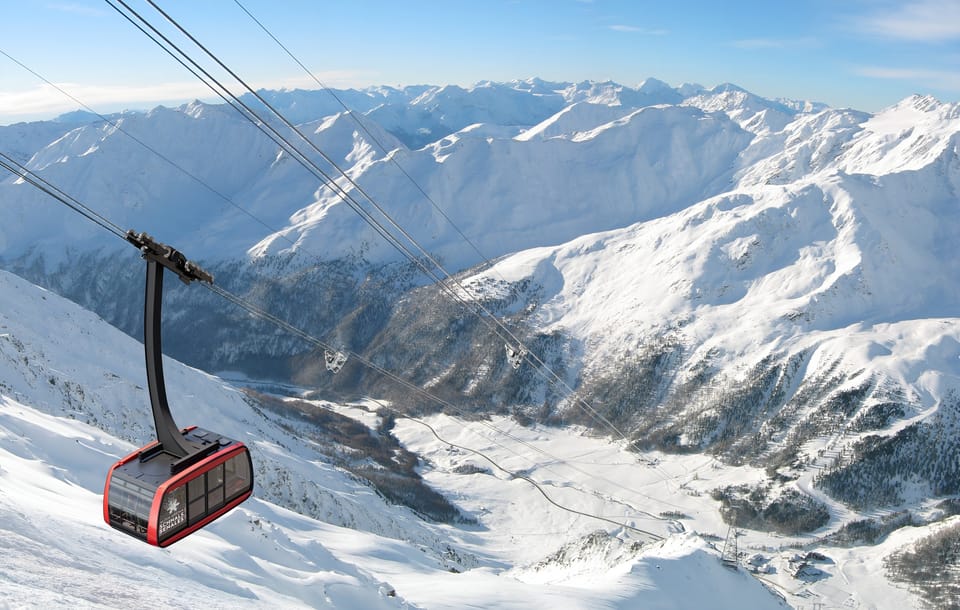
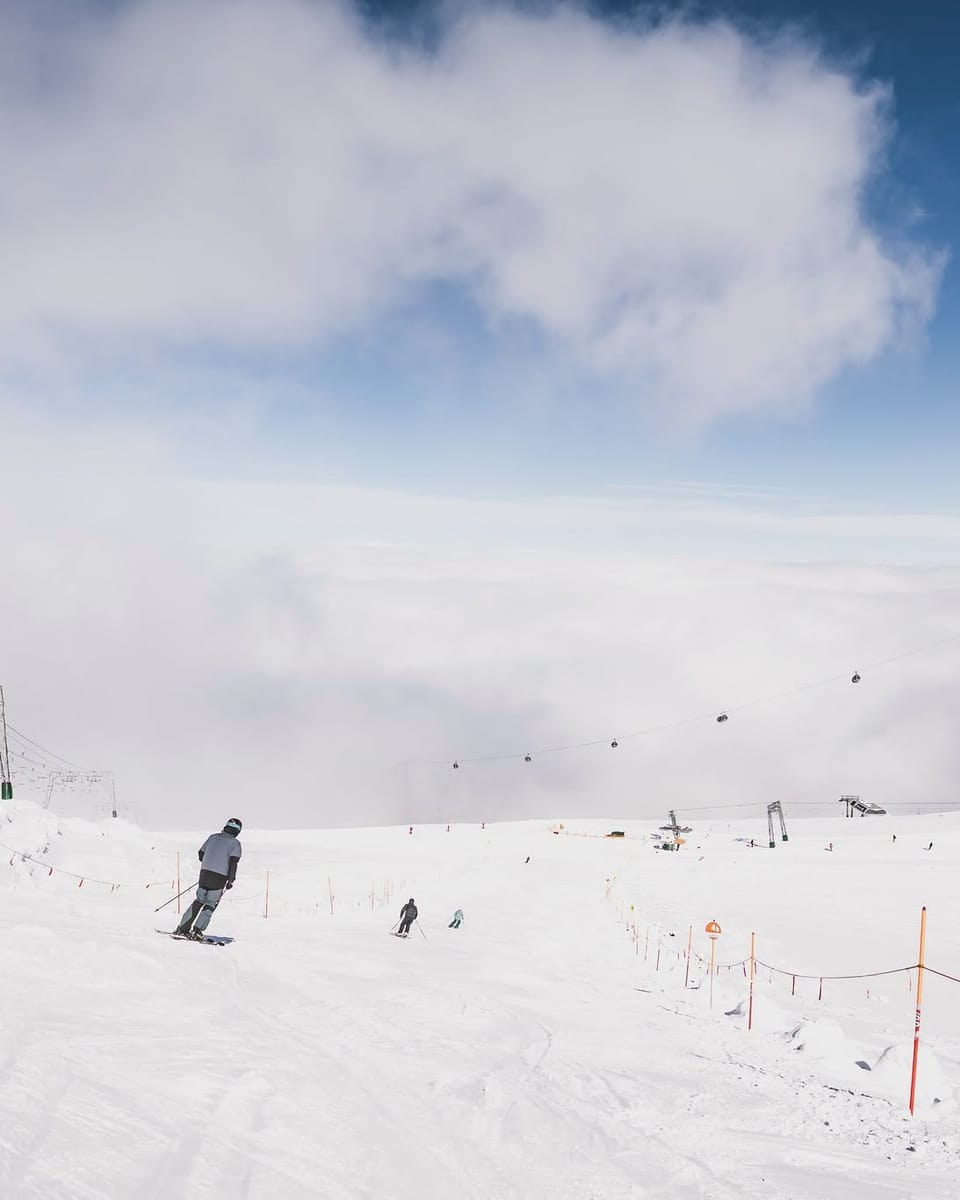
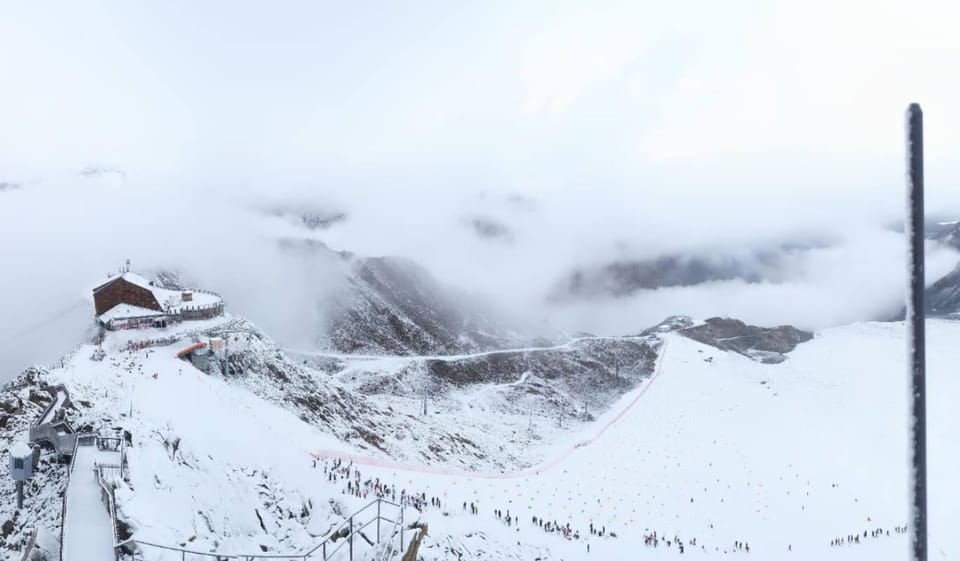
The centre boasts twenty kilometres (13 miles) of runs with a 700-metre vertical drop and stretching from the Stelvio Pass (2,758 m) up to Monte Cristallo (3,450 m). The slopes are served by six lifts, including the two new drag lifts, Geister I and II. The whole area sits within Stelvio National Park, surrounded by the Ortles-Cevedale peaks and some of the most unspoilt high-alpine scenery in Europe. Size aside, what keeps people coming back is harder to quantify: a sense of place, a particular quality of light and air, and a history that runs deeper than most summer ski areas can claim.
Stelvio's offer caters to every level and discipline. Alpine skiers find well-groomed pistes with snow conditions guaranteed by the altitude, while cross-country enthusiasts have two loops at their disposal when conditions allow: one reached by cable car at around 3,180 m, the other starting directly from the Stelvio Pass and running for around 6 kilometres across equally striking high-alpine terrain.
The unhurried pace of summer also makes Stelvio one of the best places in the Alps for beginners. Qualified instructors at the summer ski schools are accustomed to working with first-timers, and without the crowds and pressure of the winter season, there is space to progress at an individual pace. Back in the valley, equipment hire, available also at the Stelvio Pass, transfers and Bormio's famous thermal baths complete the experience.
Elite teams have also known about Stelvio for decades. Each summer, national alpine and cross-country federations from across Europe and beyond visit the glacier to build their base fitness before the season begins. The altitude, consistent snow, long uninterrupted runs and practical logistics make it one of the most efficient training venues in the Alps, and the roster of teams that return annually reflects that.
For recreational skiers, this proximity to elite sport adds an unexpected dimension to a day on the glacier. This summer in particular carries extra significance: some of the athletes training here will be the same competitors who raced in Bormio just months ago, at the Olympic alpine skiing events that held the attention of audiences worldwide.