Global Weekly Snow Roundup #342
Weekly Global Snow News, updated 26 November 2026: Huge snowfalls in the Western Alps; Huge snowfalls on America’s Pacific Coast; Huge snowfalls in Japan; Southern hemisphere’s 2026 ski season enters final week, extending into summertime.
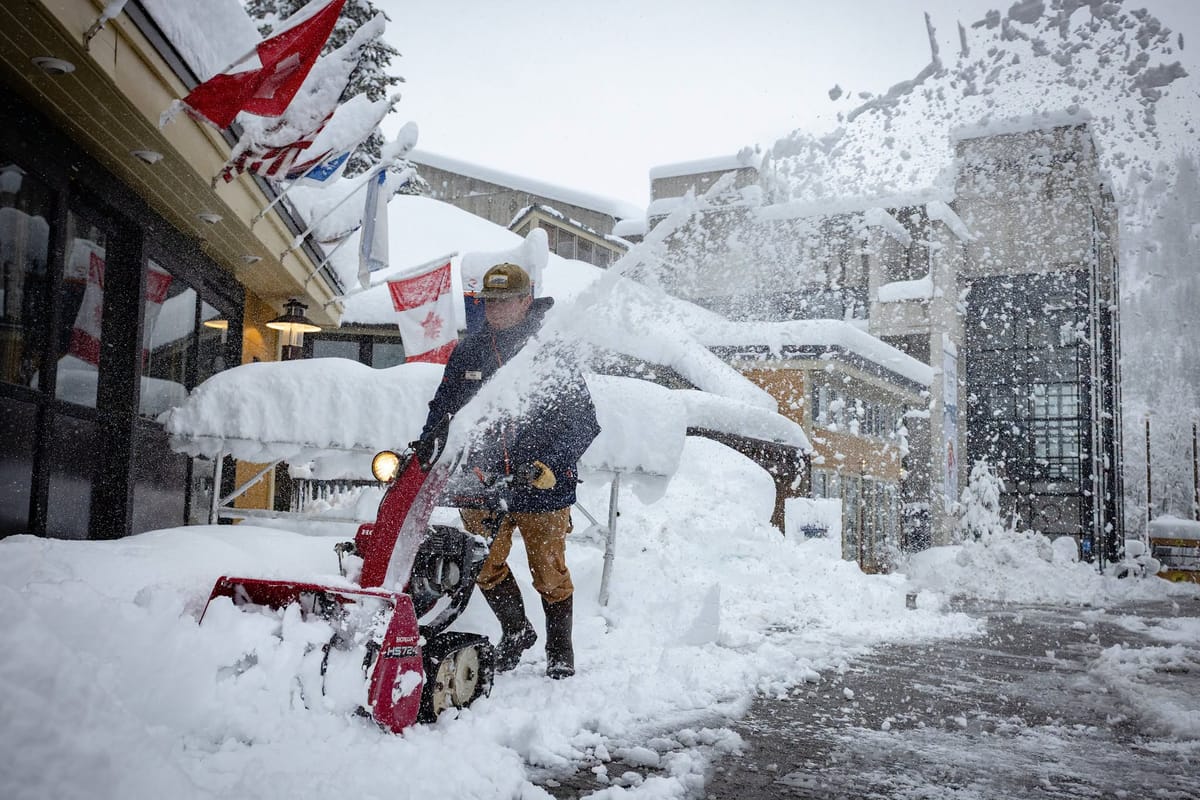
- Huge snowfalls in the Western Alps.
- Huge snowfalls on America’s Pacific Coast.
- Huge snowfalls in Japan.
- Southern hemisphere’s 2026 ski season enters final week, extending into summertime.
It has been quite the week, ending months of nervousness about the start of the season, with 1- 3 m (40" – 10 feet) accumulations reported from almost simultaneous multi-day storms hitting the Alps, America’s Sierras and Japan.
These appear to have been transformative for snow cover in some areas, particularly those with higher altitude terrain and also perfectly timed for the season start. Most areas not in the areas that got really heavy snow have seen low temperatures and some decent snowfall too over the last seven days.
But it is important not to get carried away and think of the snowfall as quite universal. Some ski areas on all three continents have quietly delayed opening as they haven't had enough snow and/or cold temperatures yet, even some with lower elevations in regions that have reported a lot of snowfall at high elevations.
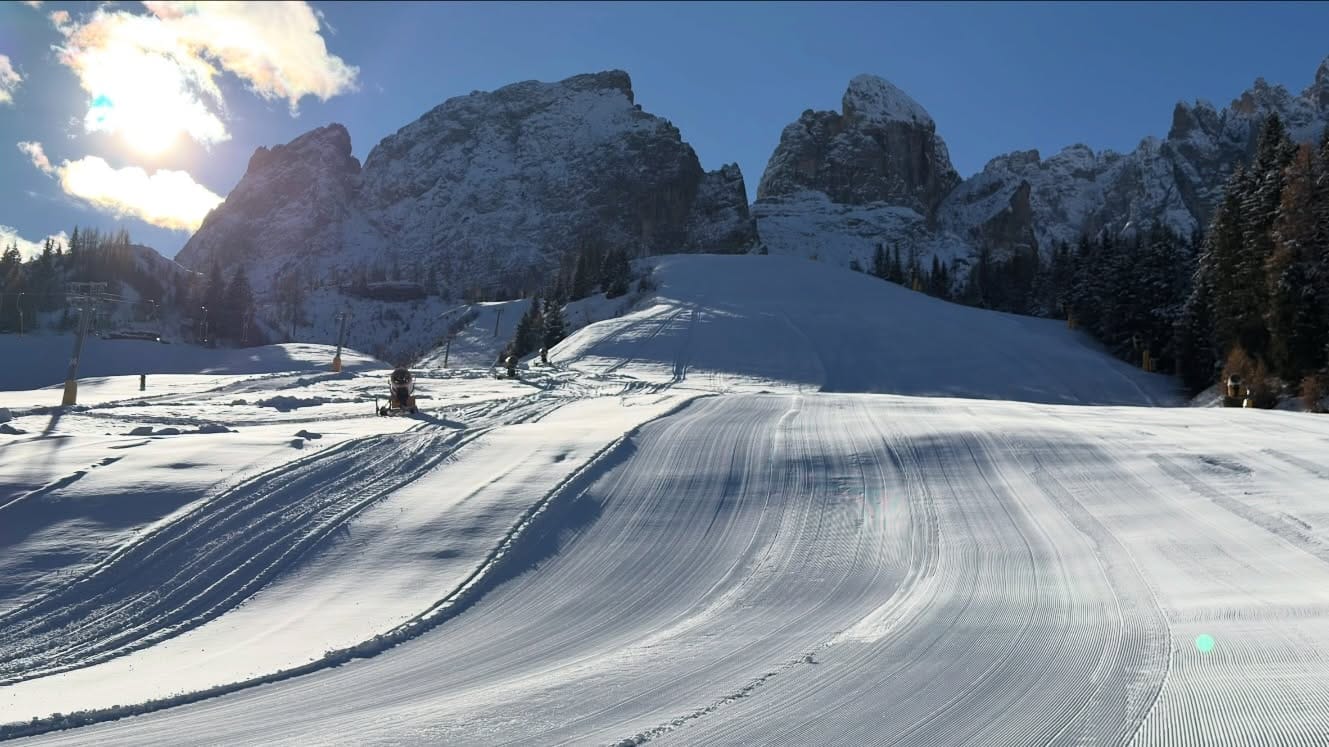
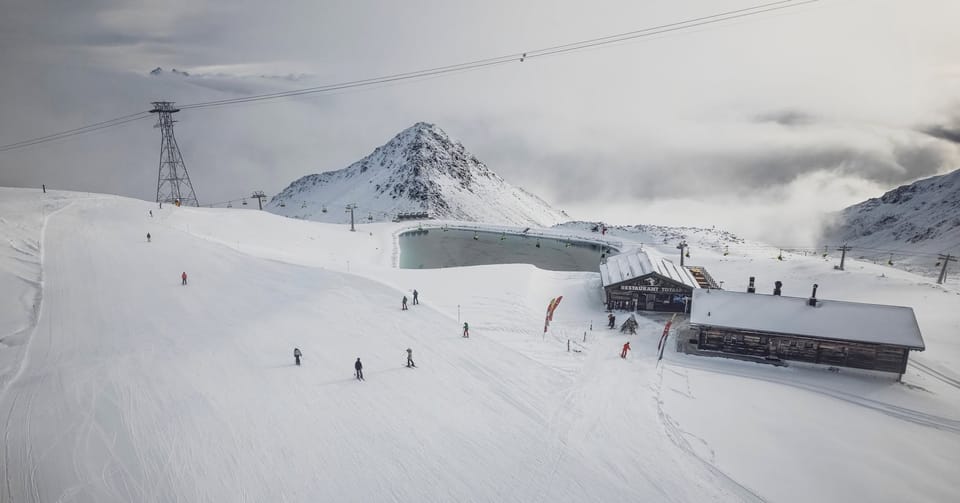
Europe’s ski season has moved up a gear, with resorts across the Alps opening terrain at an accelerating pace after a much more wintry spell. Austria continues to lead the way, accounting for a significant share of all skiable terrain currently available worldwide, helped by recent snowfalls and consistently cold temperatures that have also supported intensive snowmaking operations.
France has enjoyed a particularly dramatic turnaround, with heavy snowfall arriving just ahead of the season's first openings after a prolonged mild spell. While the fresh snow brought challenges including difficult travel conditions, poor visibility and elevated avalanche danger, it has provided an excellent foundation for the winter ahead, and more resorts are joining the season launch this week.
Italy and Switzerland have also benefited from substantial snowfall, especially at higher elevations, combined with snowmaking-friendly temperatures. Although only limited terrain is open in many areas so far, dozens more resorts are preparing to begin operations as conditions continue to improve.
Further north, Scandinavia’s season is gradually taking shape. Cold weather has become established across Norway, Sweden and Finland, allowing snowmaking systems to run continuously and helping maintain natural snow cover, although most resorts currently have only limited terrain available.
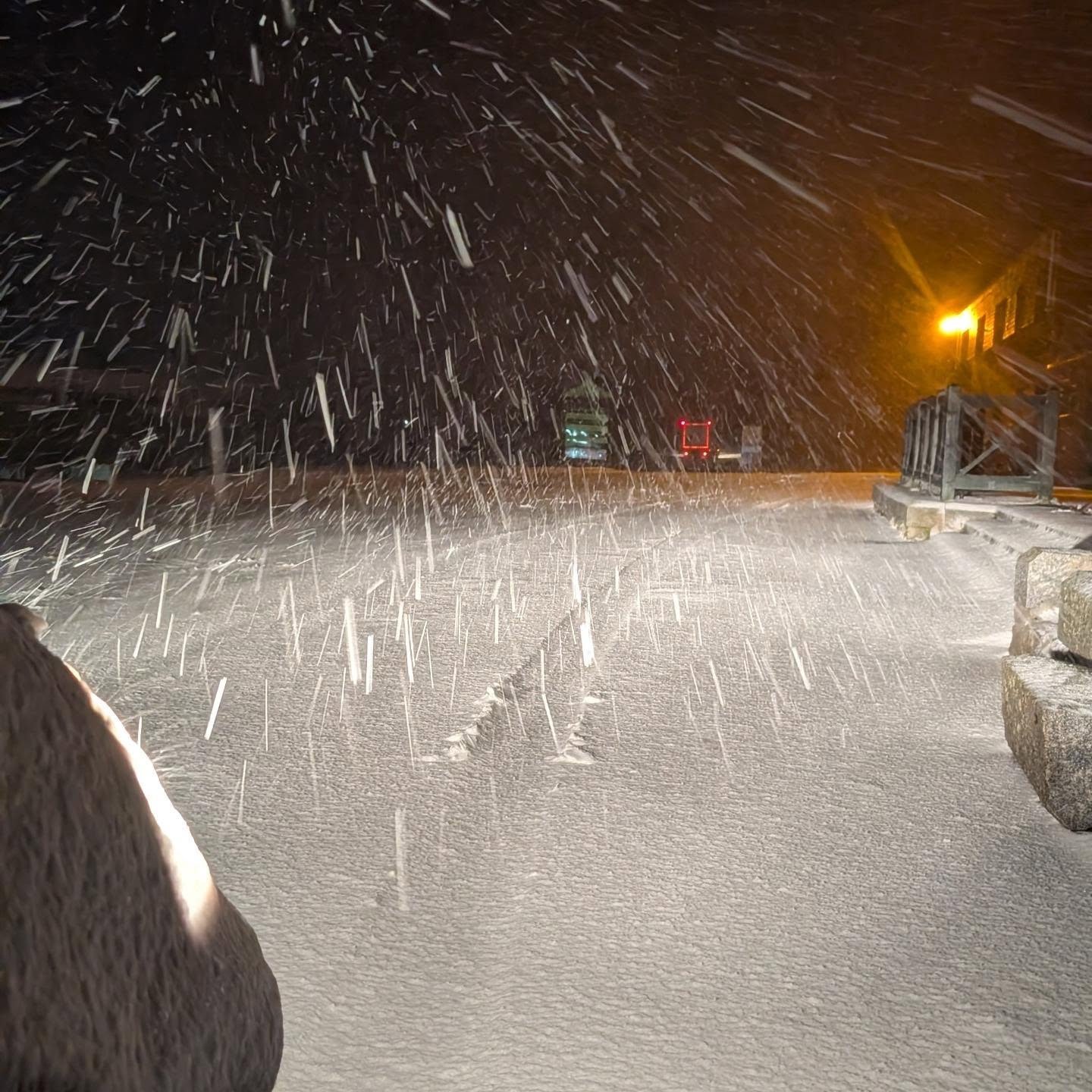
The outlook is also increasingly positive in the Pyrenees, Scotland and Eastern Europe. Colder temperatures and occasional snowfall are helping build base depths, with many resorts across these regions targeting their first openings in the coming days. Overall, winter has strengthened its grip across Europe, setting the stage for a much broader start to the ski season this weekend.
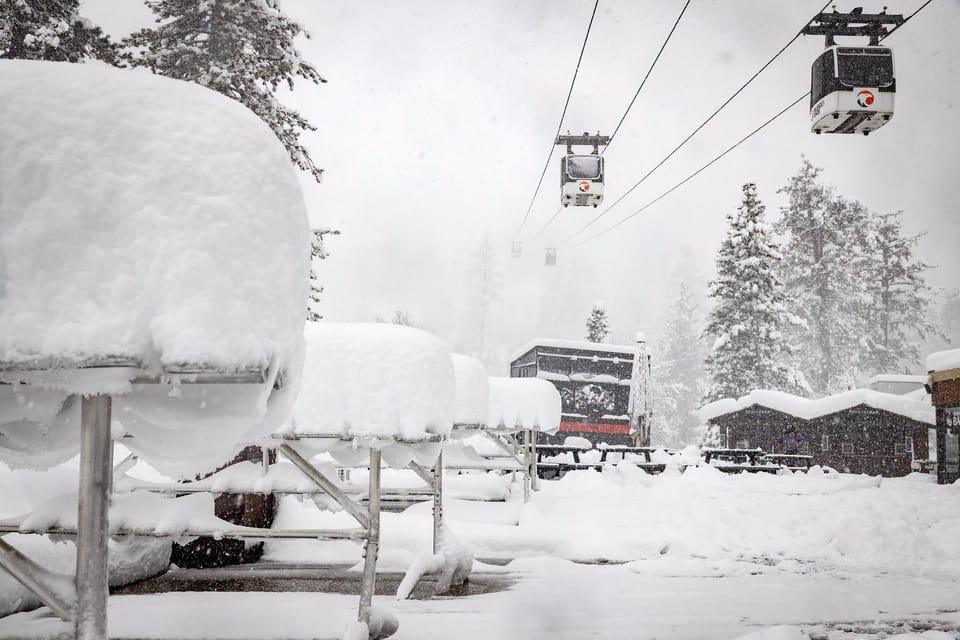
In North America, the US ski season is beginning to find its stride, at least in the west. The biggest story remains the extraordinary snowfall across the Sierra Nevada, where up to two metres of fresh snow have delivered what some locals describe as the best season start in decades. Mammoth Mountain has already opened most of its terrain. Elsewhere, the Rockies continue to build steadily, with Colorado, Utah and Wyoming resorts expanding operations. The Midwest has endured frustrating warmth and rain, but colder conditions are now helping snowmaking efforts. Similarly in the East, operators are eyeing Thanksgiving for long-awaited openings after delays as a storm brings fresh promise of more wintery weather arriving.
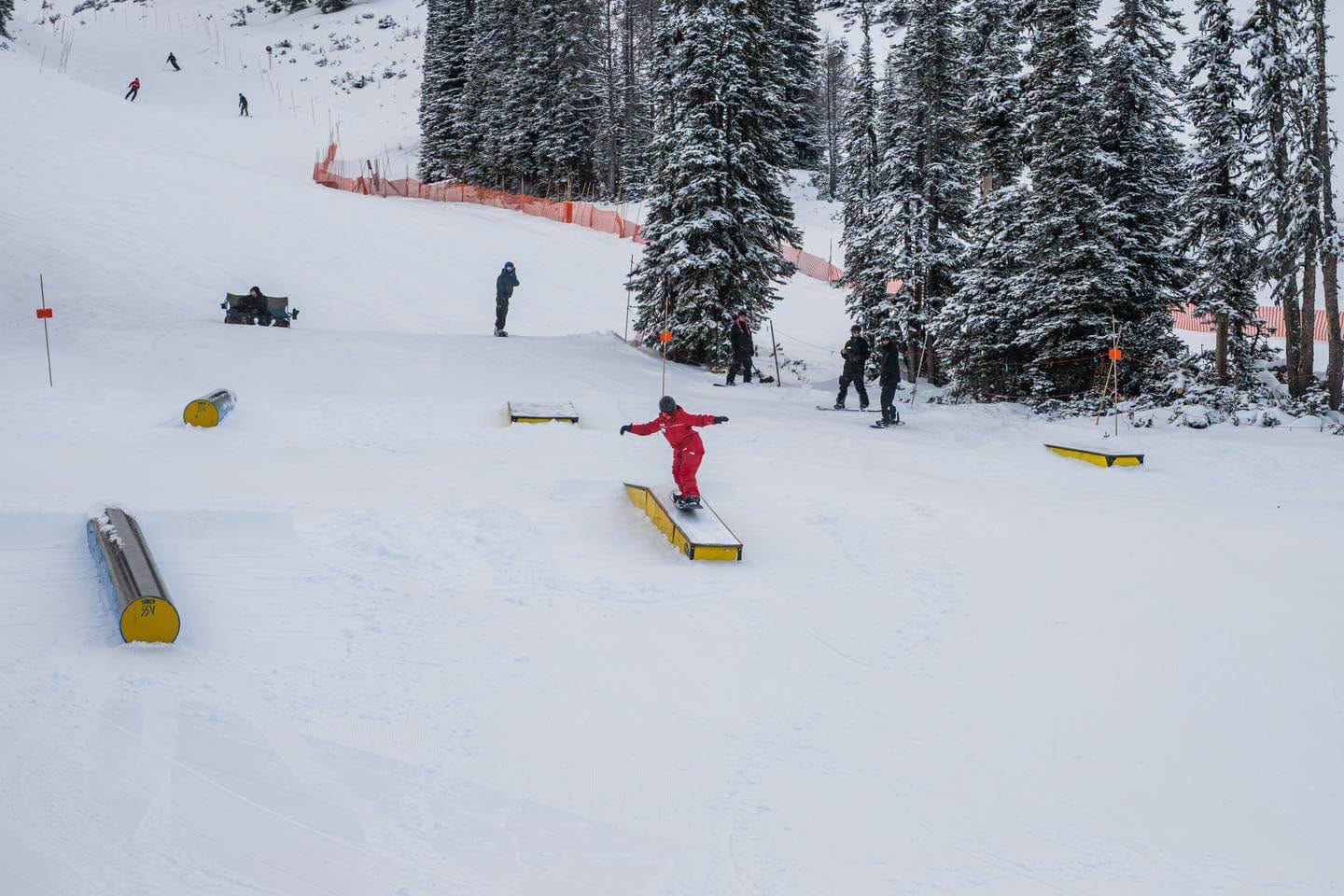
Meanwhile, Canada's ski season remains slow to build momentum despite several light snowfalls this week. Resorts in British Columbia and Alberta continue to contend with below-average early-season snowfall, with only a handful currently operating and most offering no more than a couple of kilometres of terrain. Conditions have improved for snowmaking as temperatures have dropped below freezing, but clear skies have limited natural snowfall. The country’s East Coast is having a particularly difficult time with rain and sleet rather than snow showers at times and mild weather limiting snowmaking opportunities.
Some Japanese ski slopes have received nearly two metres (over six feet) of snowfall in just four days, with some resorts opening early and skiers reporting the best start to a season in 20 years. One local skier even joked, “RIP El Niño.” That's because the strong start is not what was expected, as El Niño winters typically bring milder temperatures and slightly reduced snowfall to Japan by weakening the East Asian winter monsoon, limiting the cold Siberian air that drives the country’s famous snowfalls.
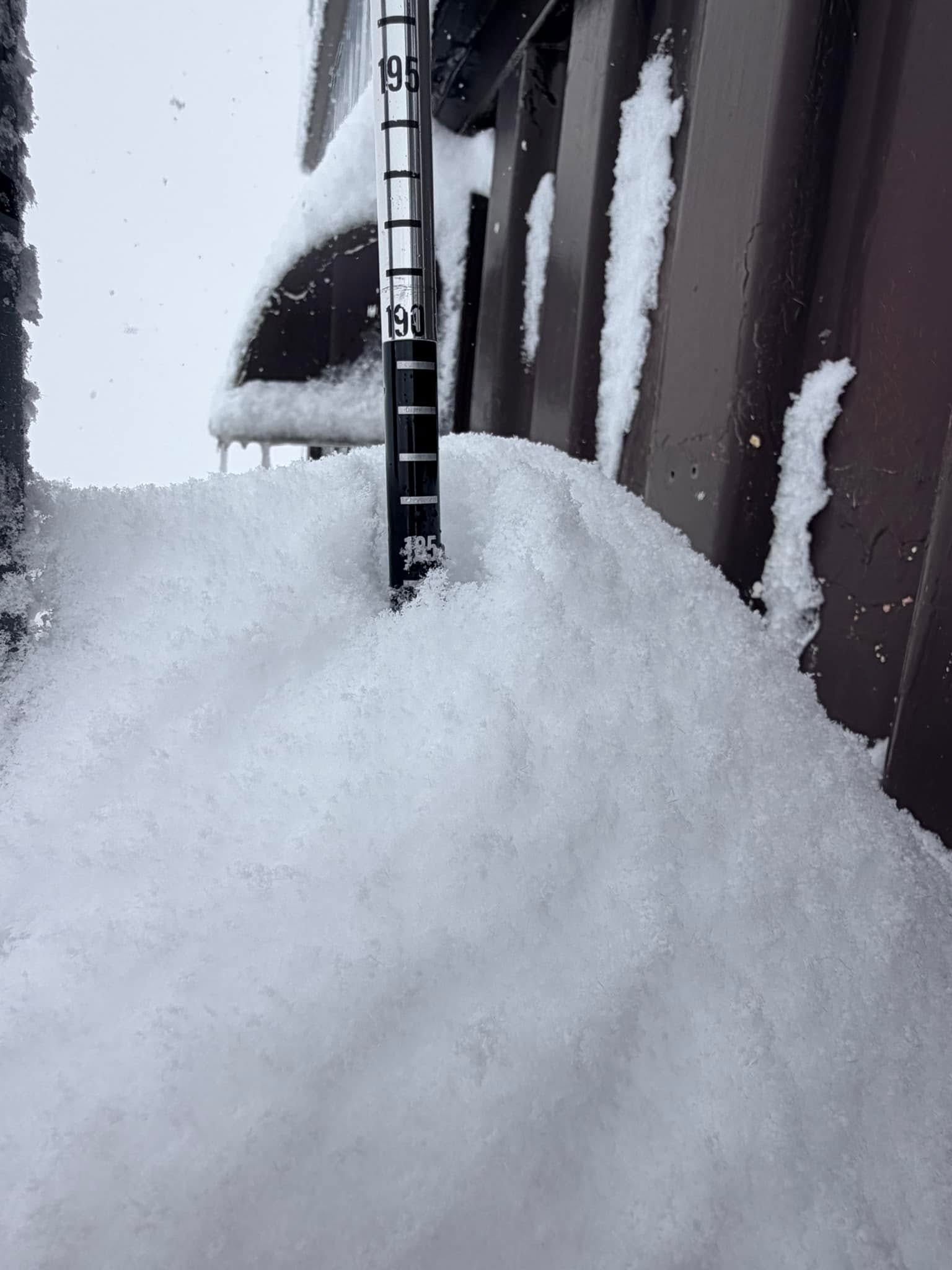
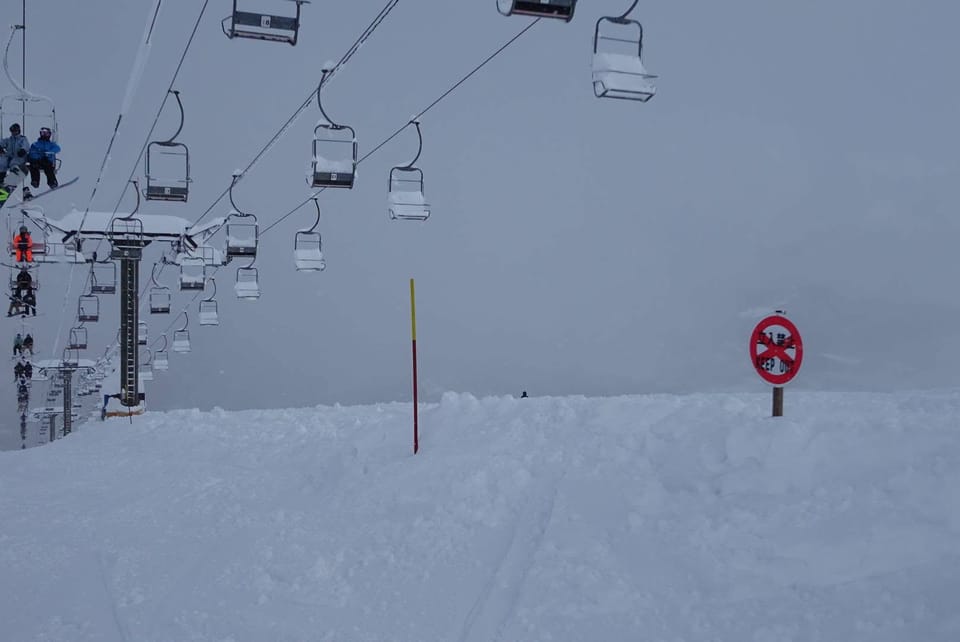
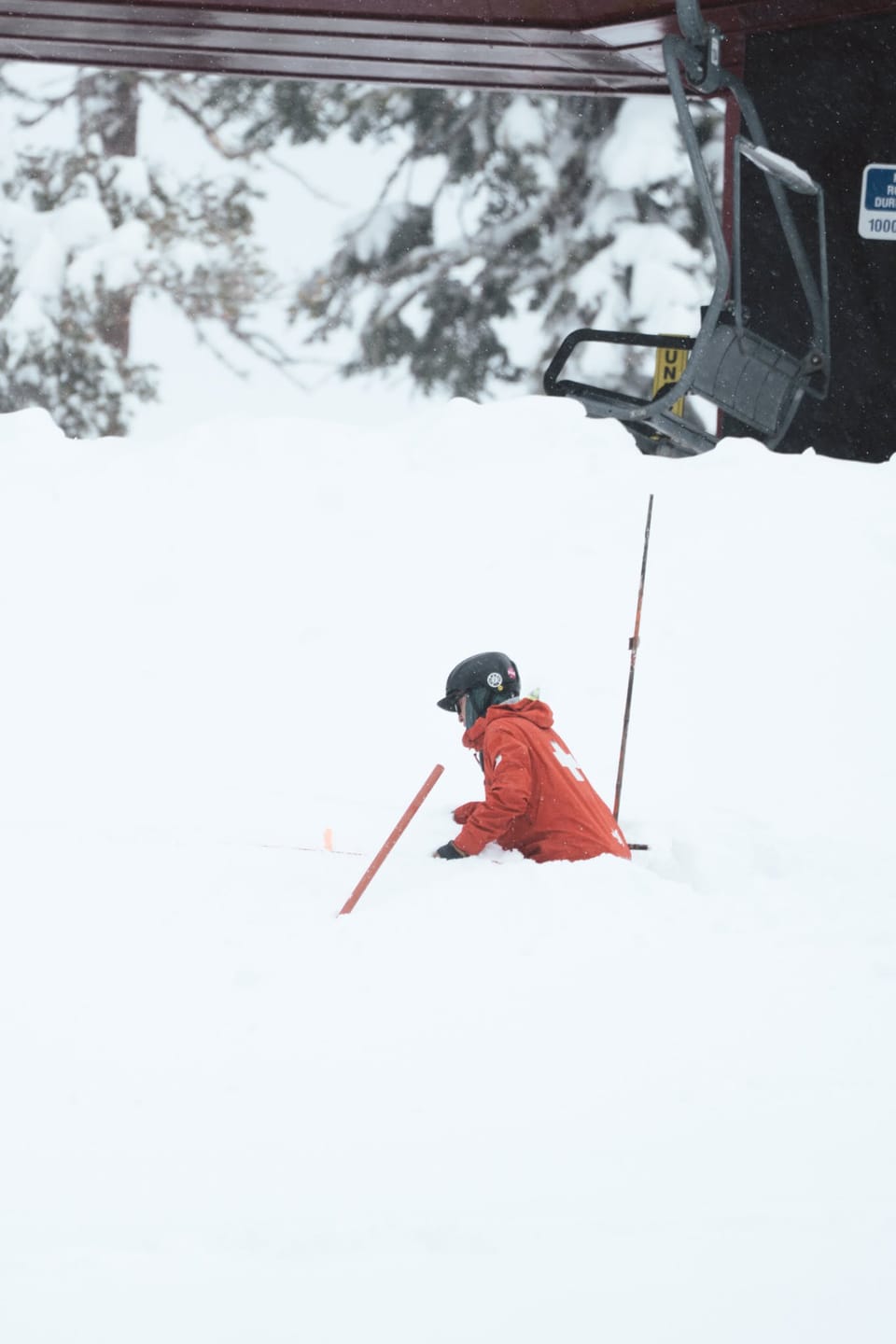
By contrast, some are claiming it's the best early dump in 20 years. It shows weather patterns remain unpredictable and the true impact will only become clear over the full season. Happo One in Hakuba has opened its Panorama Run and currently boasts the world’s deepest snow cover at 2.6m, much of it from recent storms. Nearby Goryu and Hakuba47 are also operating. Local skiers have praised the conditions but warned that off-piste snow is already dangerously deep. Heavy snowfall has been reported across much of Japan’s ski regions. In Hokkaido, Kiroro has recorded more than 125cm, while major resorts including Niseko, Furano, Rusutsu and Nozawa Onsen are due to open this weekend.
A final cheer to Chile's Valle Nevado, which has kept operating through the southern hemisphere's springtime and is now reopening for a last long weekend of 2026, through to December 1st next week, the first day of meteorological summertime south of the equator.