Avalanche Safety: The 10-Point Checklist Every Off-Piste Rider Needs
90% of avalanche accidents are triggered by the victims themselves. The vast majority are preventable. Here's what every off-piste skier and snowboarder needs to know — from reading a forecast to surviving a burial.
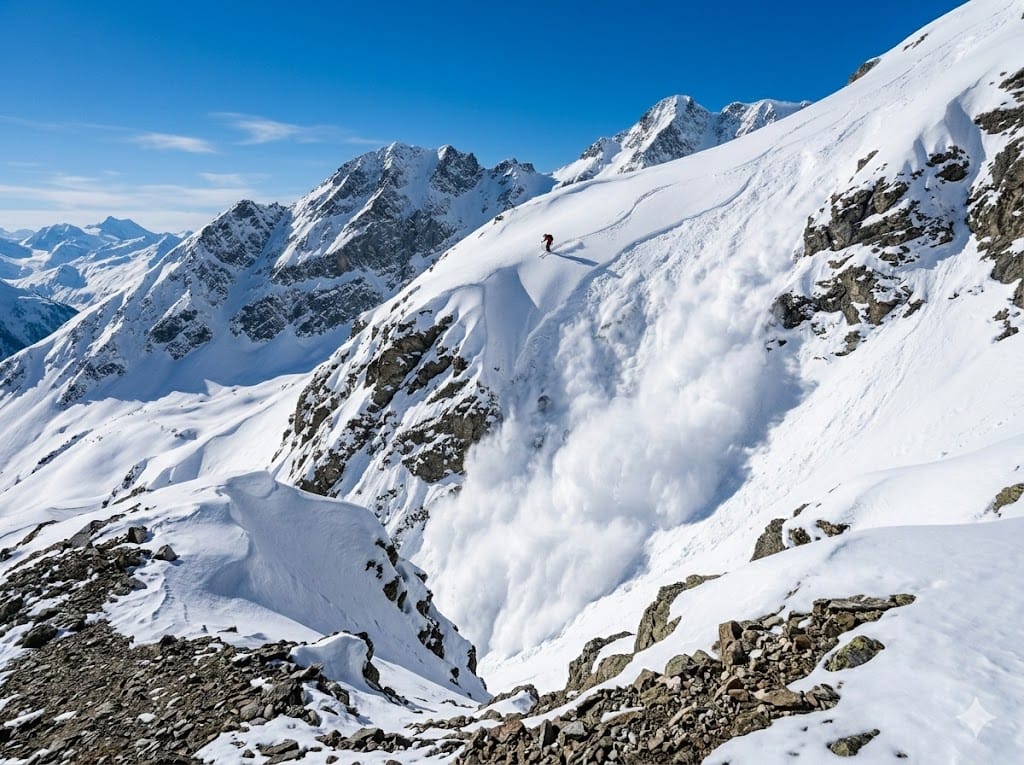
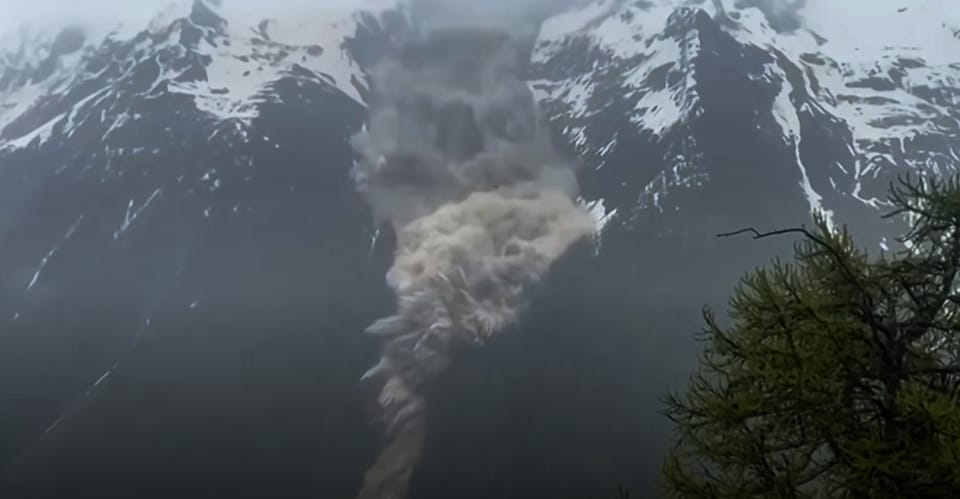
Video courtesy of Altus Mountain Guides
The European Avalanche Danger Scale
Check the local avalanche forecast before any off-piste run. The scale runs from 1 to 5. Most fatal accidents happen at level 3 (Considerable) — not 5 — simply because people underestimate the risk and venture out more freely at "moderate" ratings.
The 10-Point Pre-Ride Checklist
Work through these before every off-piste session, in the order listed. Don't skip ahead.
1. Check the avalanche forecast — Get the official regional forecast, not just a weather report. Know the danger level, aspect, and elevation band of concern. A north-facing slope at 2,500m may be rated 4, while the south-facing run below sits at 2.
2. Look for recent avalanche activity — Fresh debris, crown lines on nearby slopes, or hollow "whumpfing" sounds underfoot are red flags. If a slope has already run, it can run again — often larger.
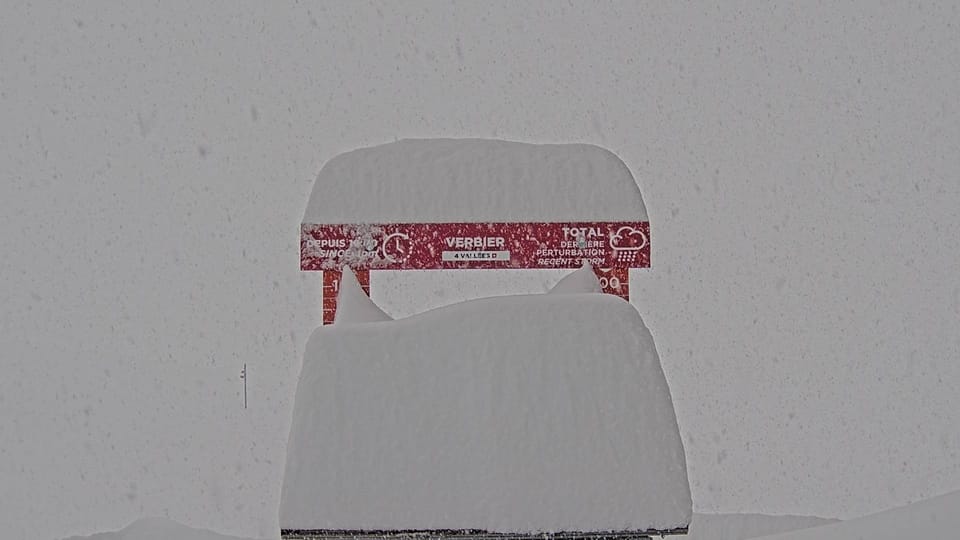
3. Assess recent snowfall — More than 30cm of continuous new snow is considered very hazardous. Heavy loading over 2cm/hour can destabilise the snowpack within hours of the snow stopping. Rain on top of snow is an immediate danger signal.
4. Check for wind slab — Wind builds dense, unstable slabs on leeward (sheltered) aspects. Tap the snow — if it sounds hollow or breaks away in chunks, you're on a slab. The classic trigger zone is just below a ridgeline on the quiet side of the wind.
5. Read the temperature trend — A sudden warming towards 0°C rapidly increases wet avalanche risk, even without a full thaw. Be especially cautious on sunny spring afternoons — conditions safe at 9 am can be lethal by 2 pm.
6. Choose your terrain carefully — Most avalanches release on slopes between 30° and 45°. Below 30° is usually safe; above 50° tends to slough rather than slab. The 35–40° range is the sweet spot for big slab avalanches — and also for great off-piste. Know your slope angles.
7. Identify terrain traps — A terrain trap multiplies the consequences of a burial. Cliffs, gullies, trees, creek beds, and cornice runout zones are all traps. A small slide that would be survivable on an open slope can kill if you're funnelled into a gully.
8. Carry — and know how to use — your safety kit — Transceiver, probe, and shovel are non-negotiable. Switch your transceiver to transmit before leaving the lift — not at the top. An airbag pack improves survival odds but doesn't replace the ABCs.
9. Travel smart on the slope — One person at a time on any suspect slope, while others watch from a safe zone. Descend directly rather than traversing — traversing cuts across the snowpack and is the most common way to trigger a slab.
10. Trust your gut — and your partners — If something feels wrong, it probably is. Group dynamics kill people — summit fever and peer pressure are serious factors. The mountain will still be there tomorrow.
Terrain Trap Guide
Where you get caught matters as much as how big the slide is. Factor these into every route choice.
| Terrain Feature | Risk | Notes |
|---|---|---|
| Gullies & couloirs | Avoid | Channels snow. Deep burial near-guaranteed even in a small slide. |
| Cliffs & drop-offs | Avoid | Trauma as well as burial. Even a small drop at speed under snow is dangerous. |
| Dense tree runs | Caution | Trees anchor snowpack but obstruct rescue and cause trauma during a slide. |
| Concave run-outs | Caution | Heavy snow deposition here. Can result in deep burial even at the bottom of a slope. |
| Ridge crests & spines | Caution | Can trigger cornice collapses below. Check both aspects before committing. |
| Open bowl, flat run-out | Lower risk | Slide spreads and slows. Survival odds significantly better if burial occurs. |
If You're Caught in an Avalanche
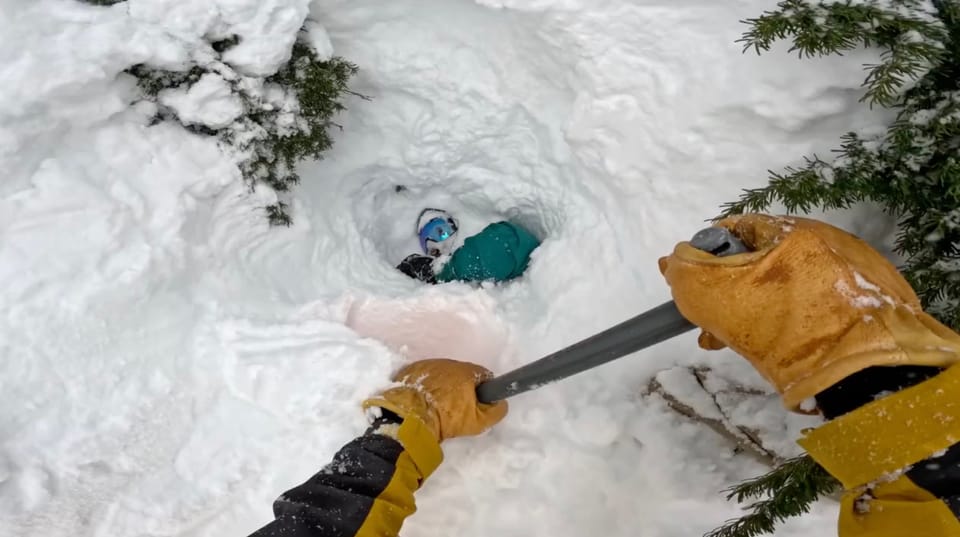
• Fight to stay on the surface — swim
• Protect your airway — arm across your face
• As snow slows, push upward and create an air pocket
• Spit to determine which way is down
• Activate your airbag early if you have one
• Stay calm — panic depletes your air pocket faster
• Conserve energy — shout only when rescuers are very close
Essential Safety Gear
The avalanche ABCs — all three, every time, for every off-piste run.
### Avalanche Transceiver
Switch to transmit before leaving the lift — not at the top. 3-antenna digital units are the standard. Practice your search patterns regularly — speed matters.
### Collapsible Probe
Confirms exact burial depth before you dig. 240–320cm length recommended. Practise assembly until it's automatic.
### Avalanche Shovel
Metal blade, extendable handle. Learn the V-conveyor technique — it's dramatically faster when multiple rescuers are digging together.
### Airbag Pack
Helps keep you on the surface of the flow. Improves survival odds but is not a replacement for the ABCs. Practise deployment before you need it.
The Bottom Line
Off-piste skiing and snowboarding are among the best experiences the mountains have to offer. But the snowpack is dynamic, deceptive, and unforgiving of complacency. The good news: avalanche risk is largely manageable with the right knowledge, gear, and disciplined habits.
Check the forecast. Carry the kit. Go one at a time. Trust your gut.
Check the Latest Avalanche Risk — Official Services by Country
Bookmark the service for your riding destination. Check every morning — conditions can change overnight.
North America
| Flag | Country | Service | Forecast |
|---|---|---|---|
| 🇺🇸 | USA | US Forest Service / American Avalanche Association | avalanche.org |
| 🇨🇦 | Canada | Avalanche Canada | avalanche.ca |
Europe
| Flag | Country | Service | Forecast |
|---|---|---|---|
| 🇪🇺 | All EuropePan-European map | European Avalanche Warning Services (EAWS) | avalanches.org |
| 🇫🇷 | FranceAlps & Pyrenees | Météo-France / MétéoMontagne | meteofrance.com |
| 🇨🇭 | Switzerland | WSL Institute for Snow & Avalanche Research (SLF) | slf.ch |
| 🇦🇹 | Austria | Regional services via avalanche.report | avalanche.report |
| 🇮🇹 | Italy | AINEVA — Italian Avalanche Information Service | aineva.it |
| 🇩🇪 | GermanyBavarian Alps | LWD Bayern — Bavarian Avalanche Warning Service | lawinenwarndienst-bayern.de |
| 🇪🇸 | SpainPyrenees & Sierra Nevada | AEMET — State Meteorological Agency | aemet.es |
| 🇳🇴 | Norway | Varsom — NVE | varsom.no |
| 🇸🇪 | Sweden | Lavinprognoser — SMHI | lavinprognoser.se |
| 🇬🇧 | Scotland | Scottish Avalanche Information Service (SAIS) | sais.gov.uk |
| 🇮🇸 | Iceland | Icelandic Meteorological Office | vedur.is |
| 🇸🇮 | Slovenia | ARSO — Slovenian Environment Agency | arso.gov.si |
| 🇸🇰 | Slovakia | SHMÚ — Slovak Hydrometeorological Institute | shmu.sk |
| 🇦🇩 | Andorra | CENMA via EAWS portal | avalanches.org |
Asia-Pacific
| Flag | Country | Service | Forecast |
|---|---|---|---|
| 🇯🇵 | Japan | Japan Avalanche Network (JAN) | nadare.jp |
| 🇳🇿 | New Zealand | NZ Avalanche Advisory — Mountain Safety Council | avalanche.net.nz |
| 🇦🇺 | Australia | Avalanche Australia | avalancheaustralia.com.au |
South America
| Flag | Country | Service | Forecast |
|---|---|---|---|
| 🇦🇷 | Argentina | IANIGLA — Instituto Argentino de Nivología | avalanchas.com.ar |
| 🇨🇱 | Chile | Dirección Meteorológica de Chile / SENAPRED | meteochile.gob.cl |