Tsubame Highland Lodge - Staying at the Wild Side of Myoko
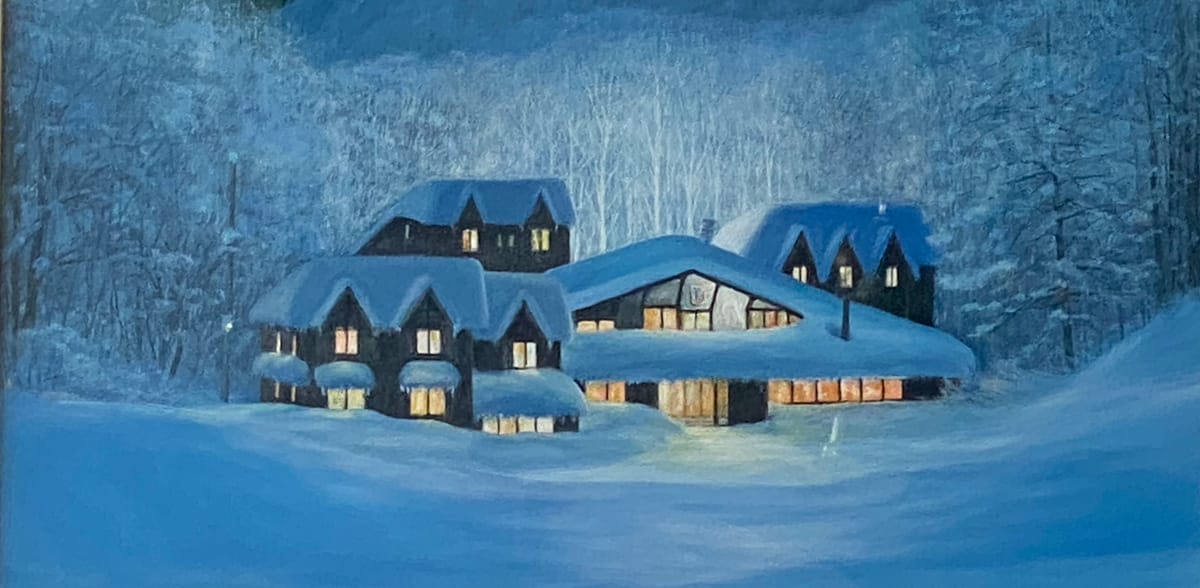
Perched above Seki Onsen, Tsubame Highland Lodge is all about Japanese snow — endless storms, deep powder and a sense of winter done properly.
After the Sapporo olympics of 1972, Japan invested wildly in ski resorts but a combination of economic stagnation, declining population and a strong currency took their toll and the bubble burst. Hundreds of ski resorts were subsequently abandoned and the majority that survived (still about 600) haven't generally made enough money to reinvest. Old lifts and tired buildings are still widespread at many resorts but those are the only negatives in a country where so much scores so highly.
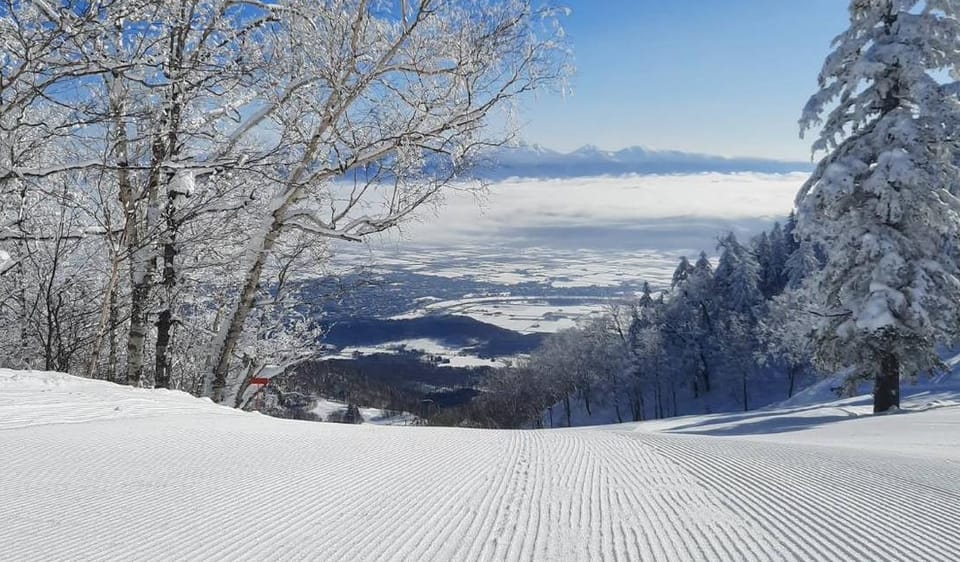
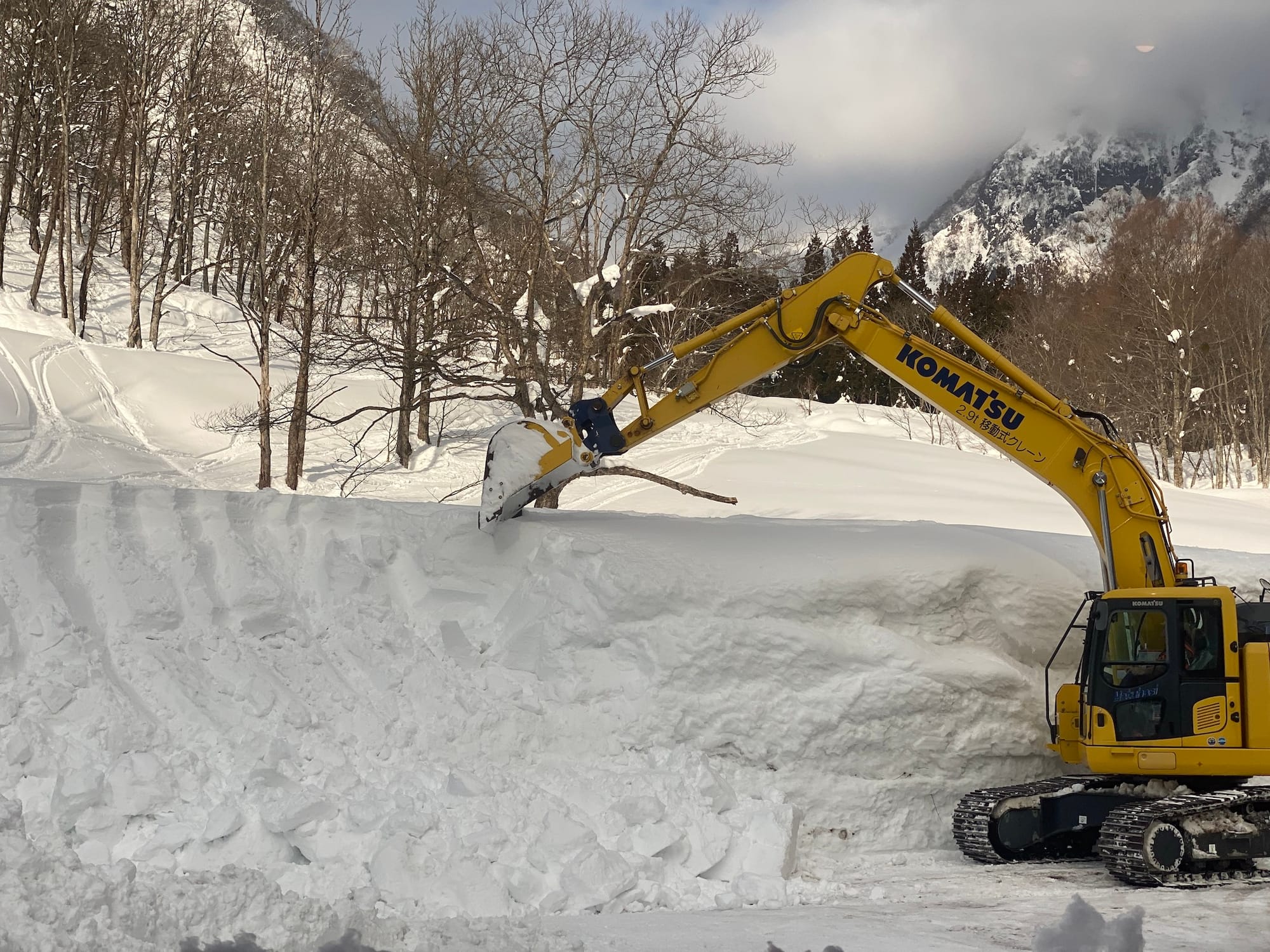
The Japanese ski industry was down but not out, not least because of the unique meteorological setting that delivers the most reliable snowfalls anywhere in the world. Predictable Siberian winds collect moisture from the relatively warm Sea of Japan and dump mind-boggling snowfalls on the mountains that line the west of the country. It is not uncommon for snow to fall continuously for a week or two here. Anywhere else in the world would be hopelessly paralysed by the depth of accumulating snowfall, but the Japanese are cut from different cloth and somehow there is minimal disruption.
Legendary cold Hokkaido powder and a global trend towards fat-ski off-piste skiing and snowboarding meant that Niseko has long been on the radar of discerning Australians eager to escape scorching summer heat back home. Yet until 30 years ago the bigger mountains of Honshu were mostly overlooked by foreigners and their ski resorts were mostly frequented by weekend trippers from the big cities like Tokyo via an enviable network of fast trains.
In 1998, the Nagano Winter Olympics brought the Japan Alps of Honshu to the attention of international winter tourists leading to major investment in ski areas around Hakuba and at Nozawa Onsen.
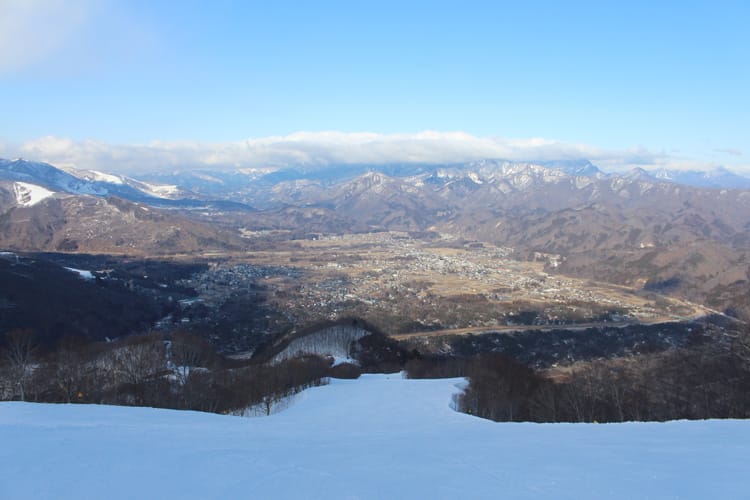
The hulking massif of volcanic Mount Myoko lies in the same region and boasts 6 ski areas along its eastern flank with delightful Madarao and Tangram just 45 minutes away. All these are increasing in popularity as skiers and boarders seek cheaper and less crowded alternatives to Niseko. Wonderful places with something for every ability.
These all enjoy enviable snow records but just like the nearby Hakuba Valley, the closer you get to the Sea of Japan, the heavier the snowfalls get. The westernmost ski area is tiny Seki Onsen which has more than 14 metres of snowfall per year. Yet again, in 2026, it was the first resort in the world to report 5m snow depth. Although ski areas further north like Hakkoda near Aomori are snowier still, they are harder to get to, colder and much more prone to wind.
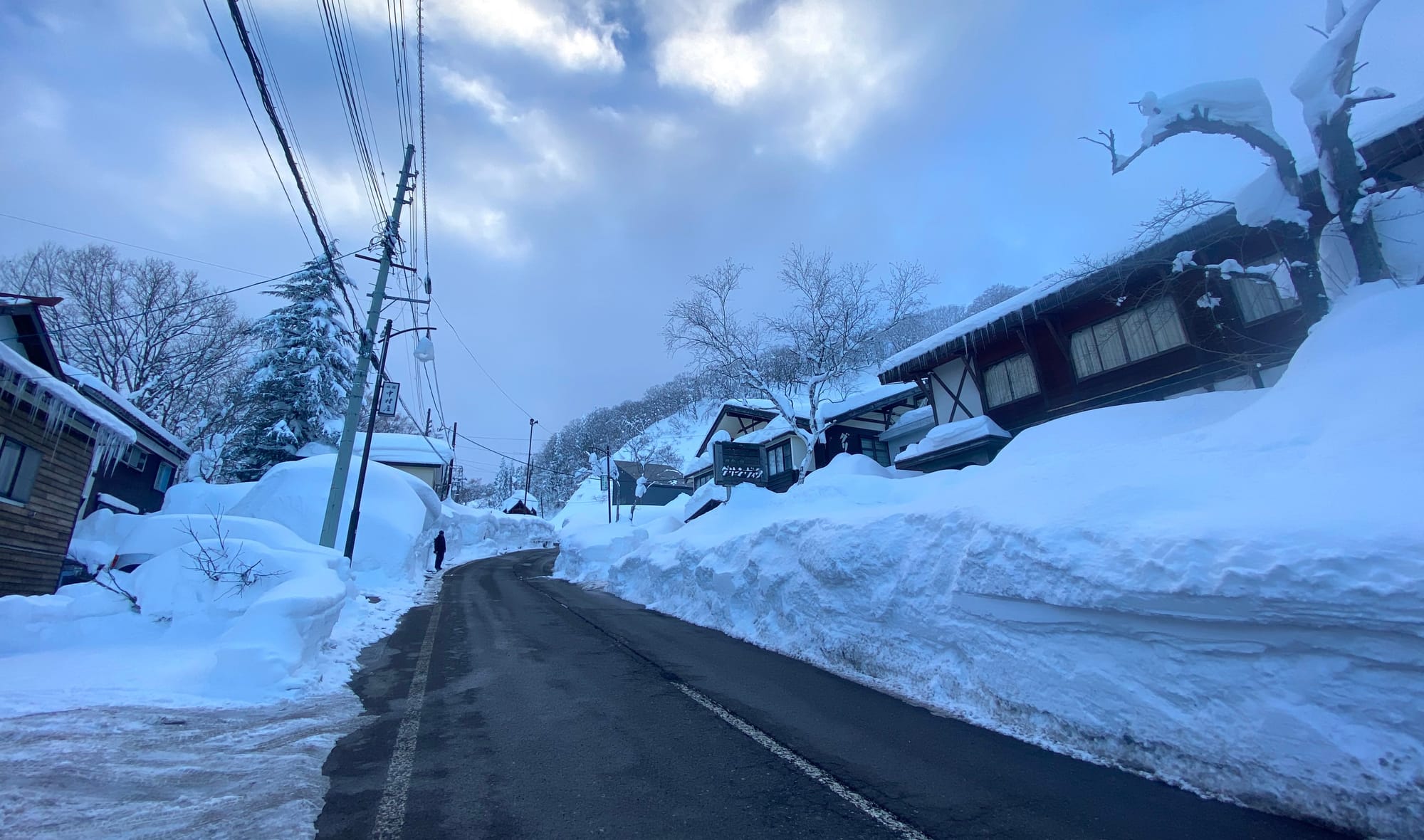
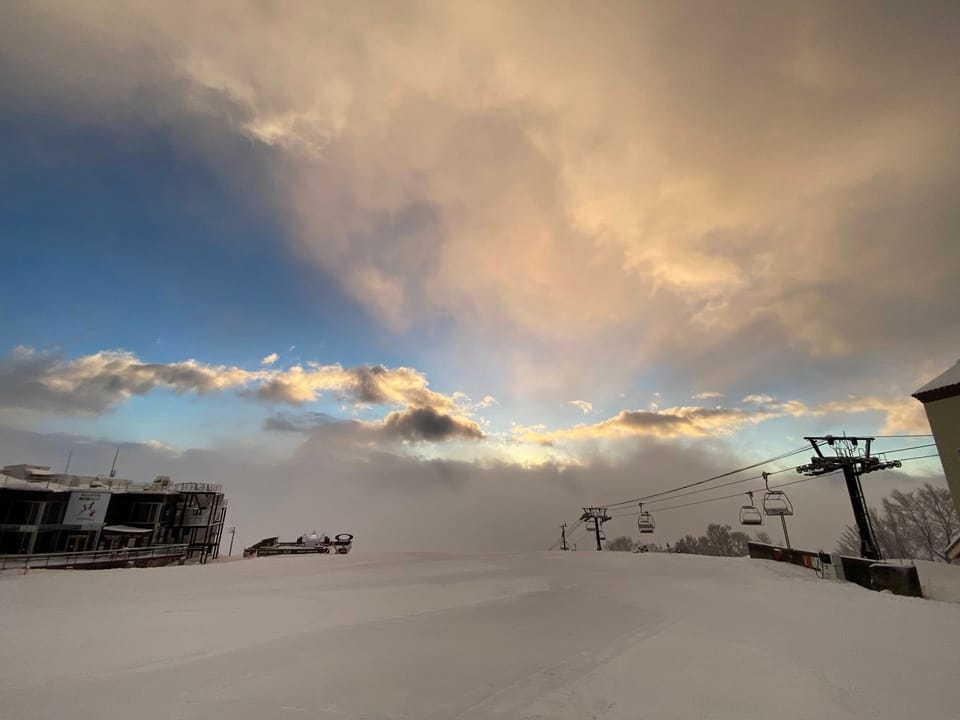
Seki is legendary for its steep lines, open bowls and tree-runs, serviced by two old chair lifts; one of which opens for just an hour or two per day accessing some of the best slack country in Japan, or anywhere else for that matter. Snowboarders appear to outnumber skiers by about 5 to 1.
There is limited accommodation here so most visitors stay in nearby Akakura and come for fresh snow days, which are frequent. There are rumours of investment and of extending the lifts 300m higher. Hardly surprising, given the ticket and lift queues after a dump of fresh snow. The demand is plain to see.
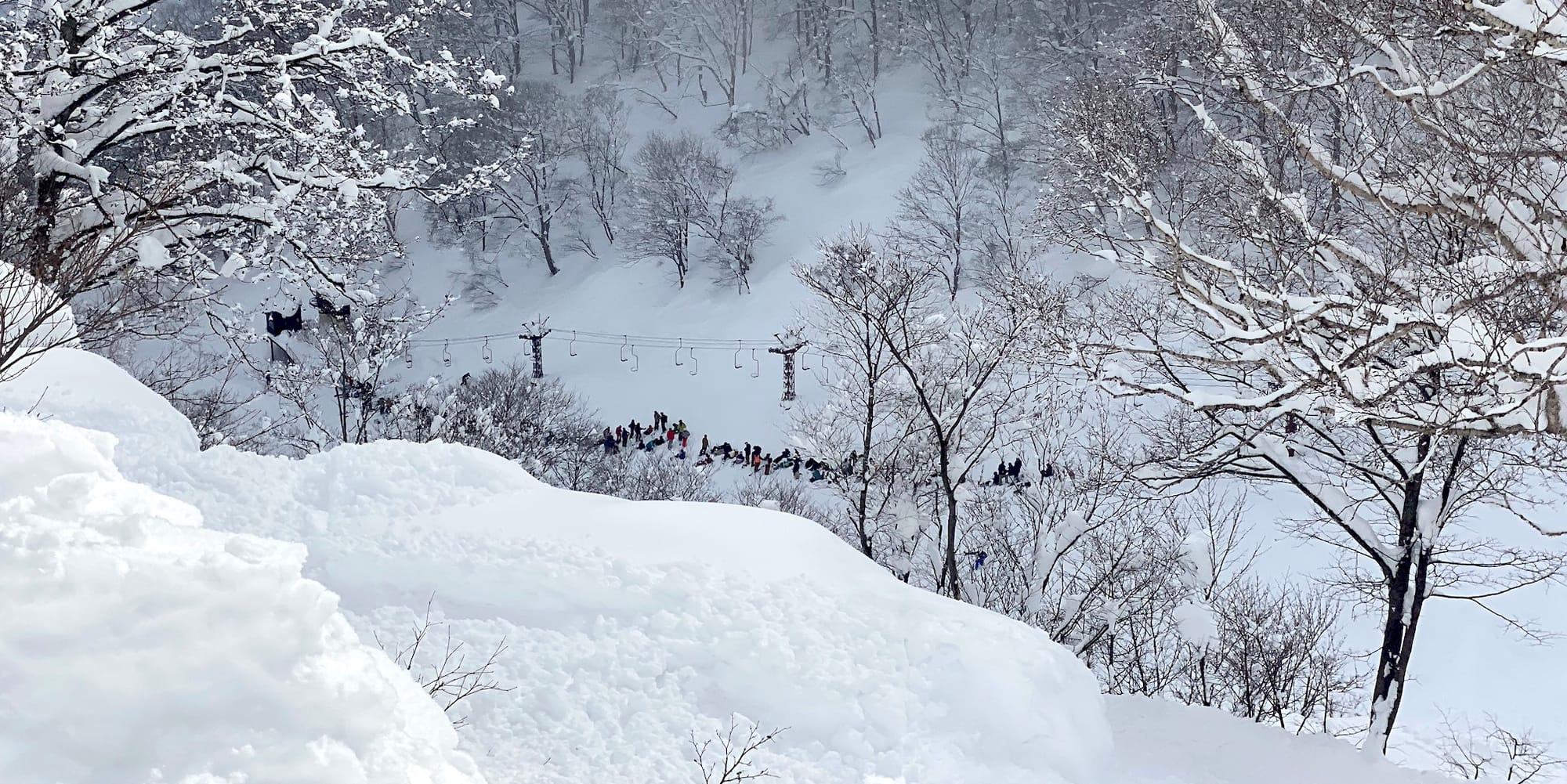
Head up the valley from Seki and the snow gets even deeper. Between tunnels, the road becomes a white canyon cut through metres of snow. The dead-end road forks once. To the right is the remote and austere settlement of Tsubame Onsen, where slimy hot springs overflow down the road making it as slippery as if it was covered with ice.
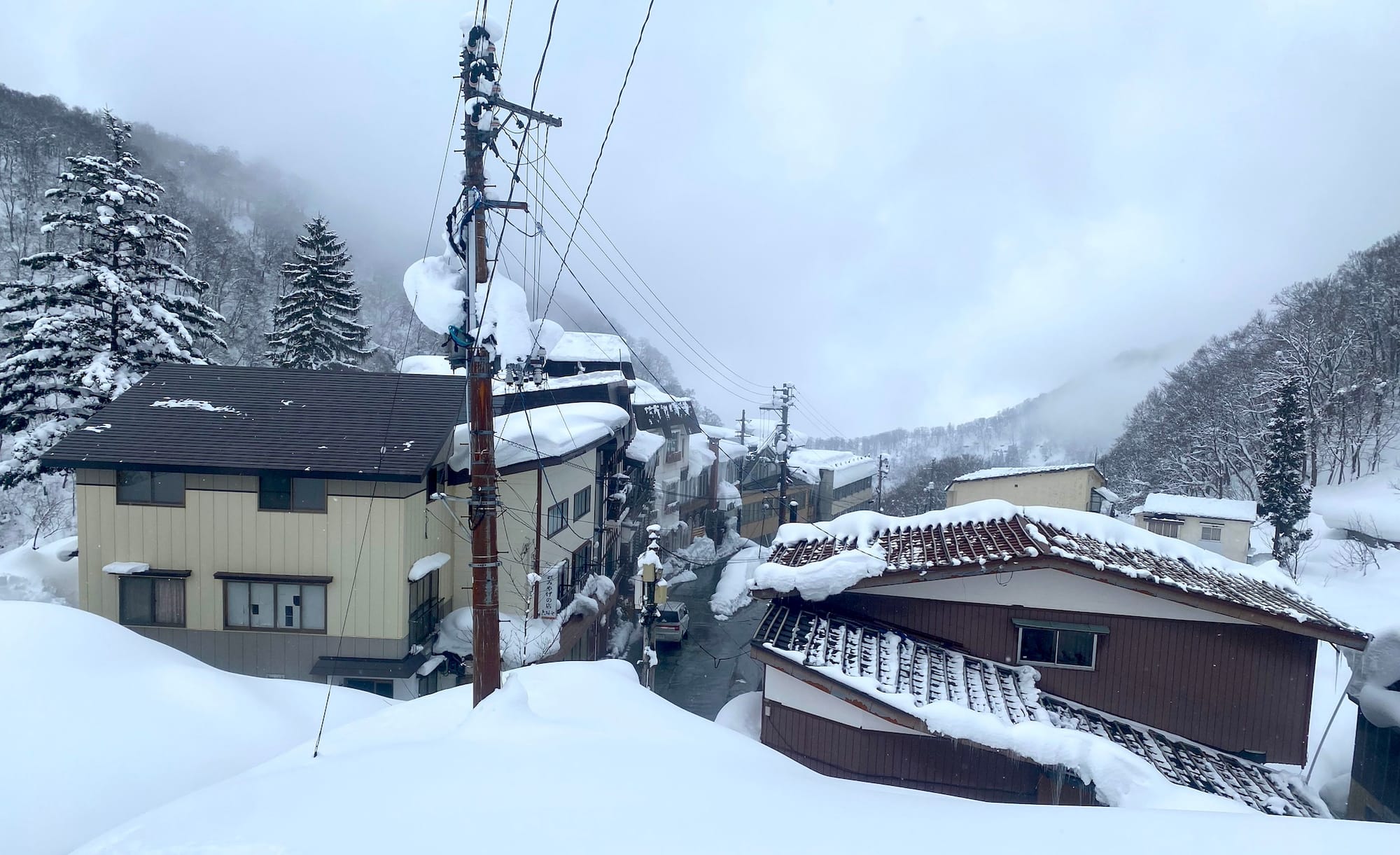
To the left ends at the Tsubame Highland hotel, a grand building surrounded by beech forest. The stunningly beautiful setting is tranquil and feels very isolated. You might be forgiven for thinking that there is not much here for skiers and boarders besides being a base for Seki. Not so. This is a backcountry nirvana and it is much less remote than it seems.
John Cheng saw the potential and bought the 40-bed hotel 3 years ago with the intention of renovating it without compromising its Swiss-influenced charm. The bedrooms are a high standard, the food was excellent and the staff were incredibly helpful and friendly and the onsen was perfect at the end of a big day.
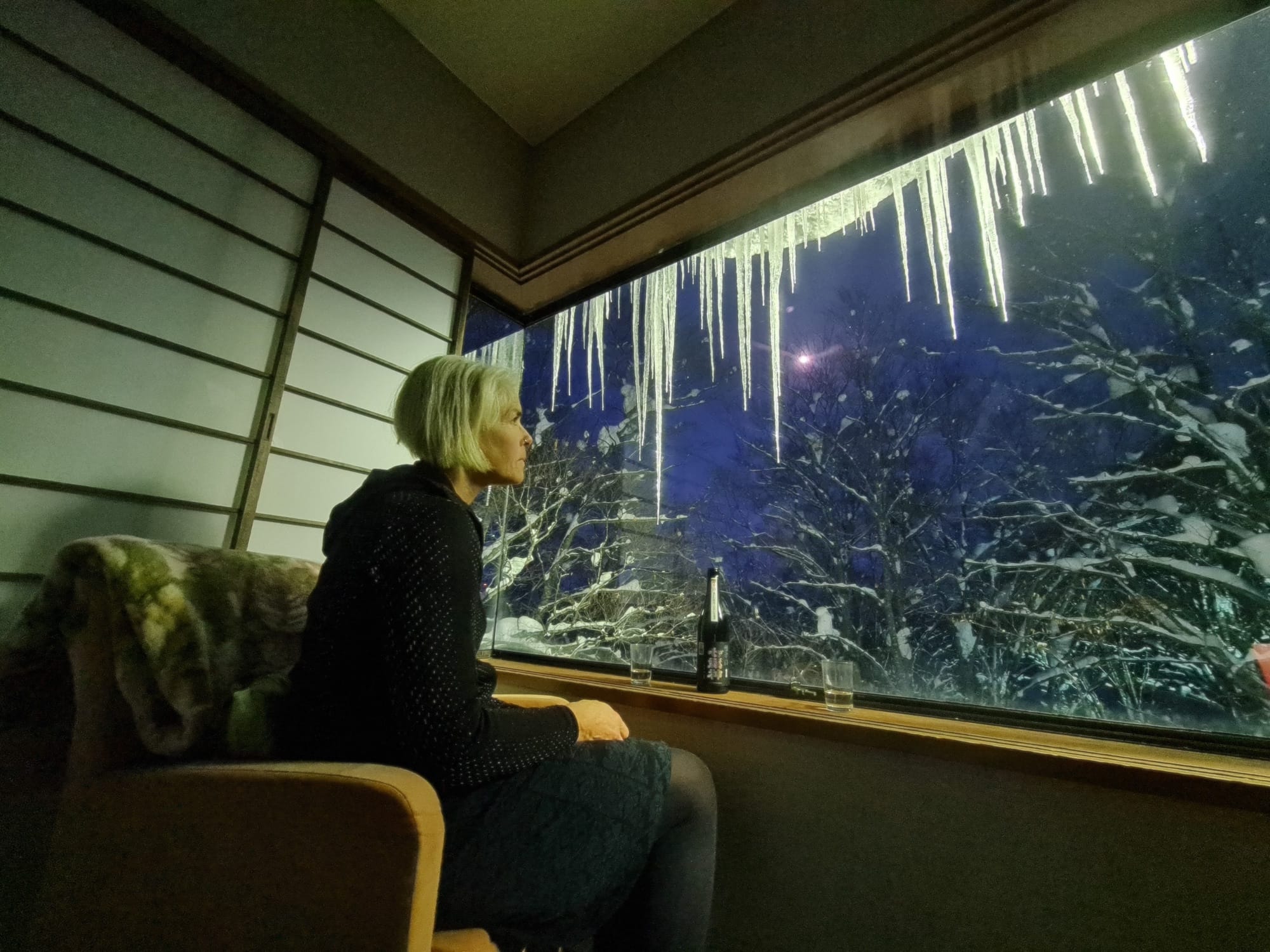
Every night, John fires up the floodlights and the view from every room is an otherworldly vista of icicles framing beech trees casting shadows on metres of snow; patrolled by martens and ermines.
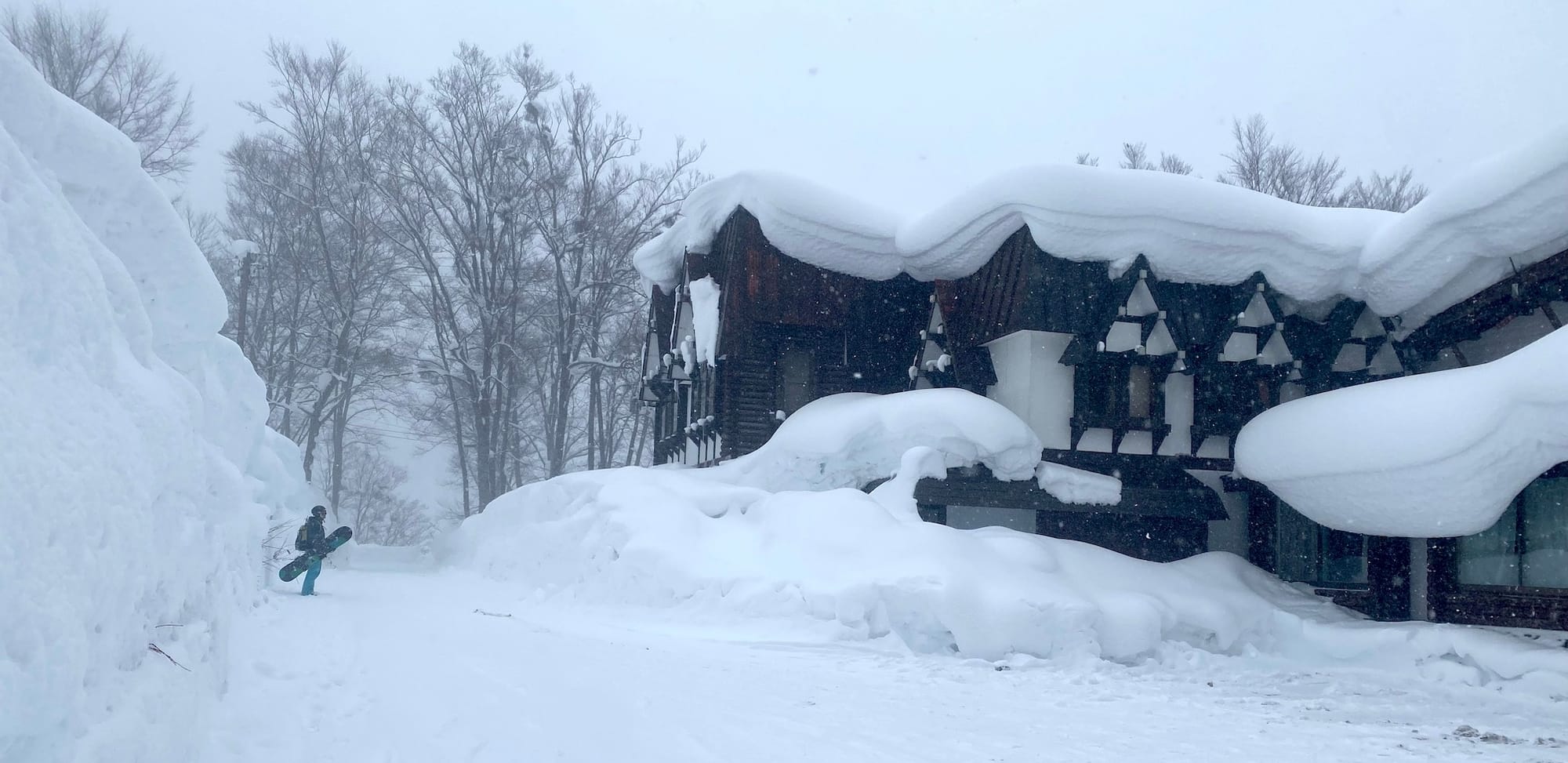
By day, the Akakura slopes are easily accessible. A narrow downhill ski trail that passes alongside the hotel and onto the pistes via a snow-lined tunnel which you can ski through. As long as you are comfortable with moderately steep tree skiing, you can easily return to Tsubame Highland by taking the closest chairlift and dropping off the ridge. Alternatively, just arrange for a lift back from Akakaura and the staff will oblige for free.
The location is ideal for intermediate to advanced backcountry skiers and boarders so it was no surprise to discover that legendary Canadian backcountry guide Tom Wolfe had based a large touring group here for a week. We missed him by a day so I emailed Tom and said I hoped he had cut some up-tracks. He wryly replied that those tracks would be under a metre of powder by now! And so it proved to be.
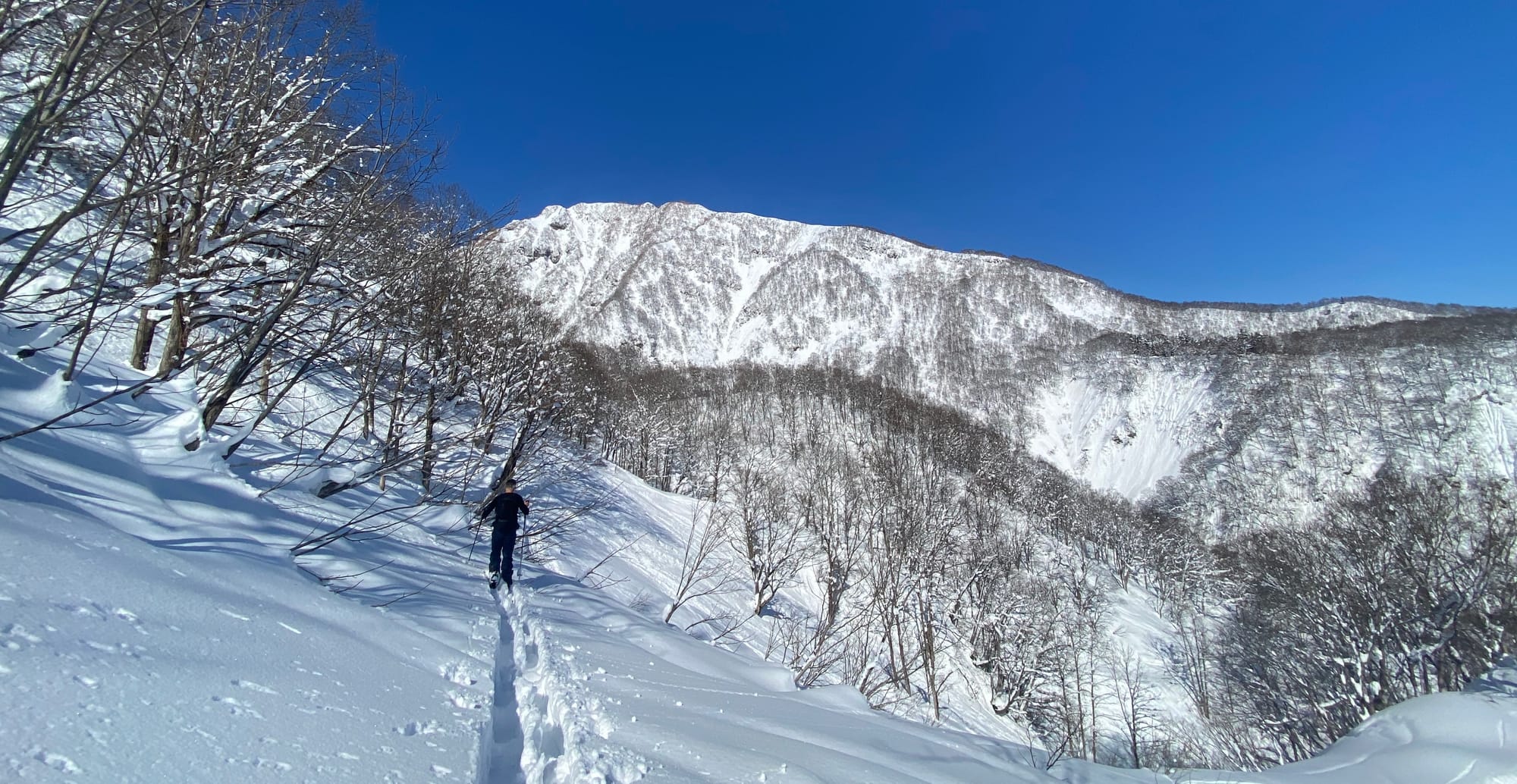
Either skin up directly from here or take the highest of the Akakaura chairs and ascend to a nearby false summit with several variations on the descent and fresh tracks guaranteed. If the weather is good and the snow is safe, you can even head to Suginhoara early and take lifts to the top, from where it is possible to traverse the whole mountain. This is big country with hazards aplenty. If in any doubt, hire a local guide or jump on Tom's Sawback website.
Tsubame Highland is a very special place and John is typical of a new generation of investors who can see the unique opportunity Japan presents in a world where climate change is proving challenging for established ski regions elsewhere.
As the Sea of Japan gets warmer and evaporation increases, Japanese winters will likely trend even snowier. Australians and Kiwis were first, but increasingly, you are just as likely to meet Canadians and Americans or a whole new generation of skiers and boarders from China and Singapore.
The future of Japanese skiing seems uniquely bright, nowhere more so than at the wild side of Mount Myoko.