Glaciers Thawing Faster Than Feared
Geologists say there is “absolutely no chance” of preserving any of Germany’s remaining glaciers. They attribute the decline entirely to climate change, warning the final remnants are expected to vanish by the 2030s.
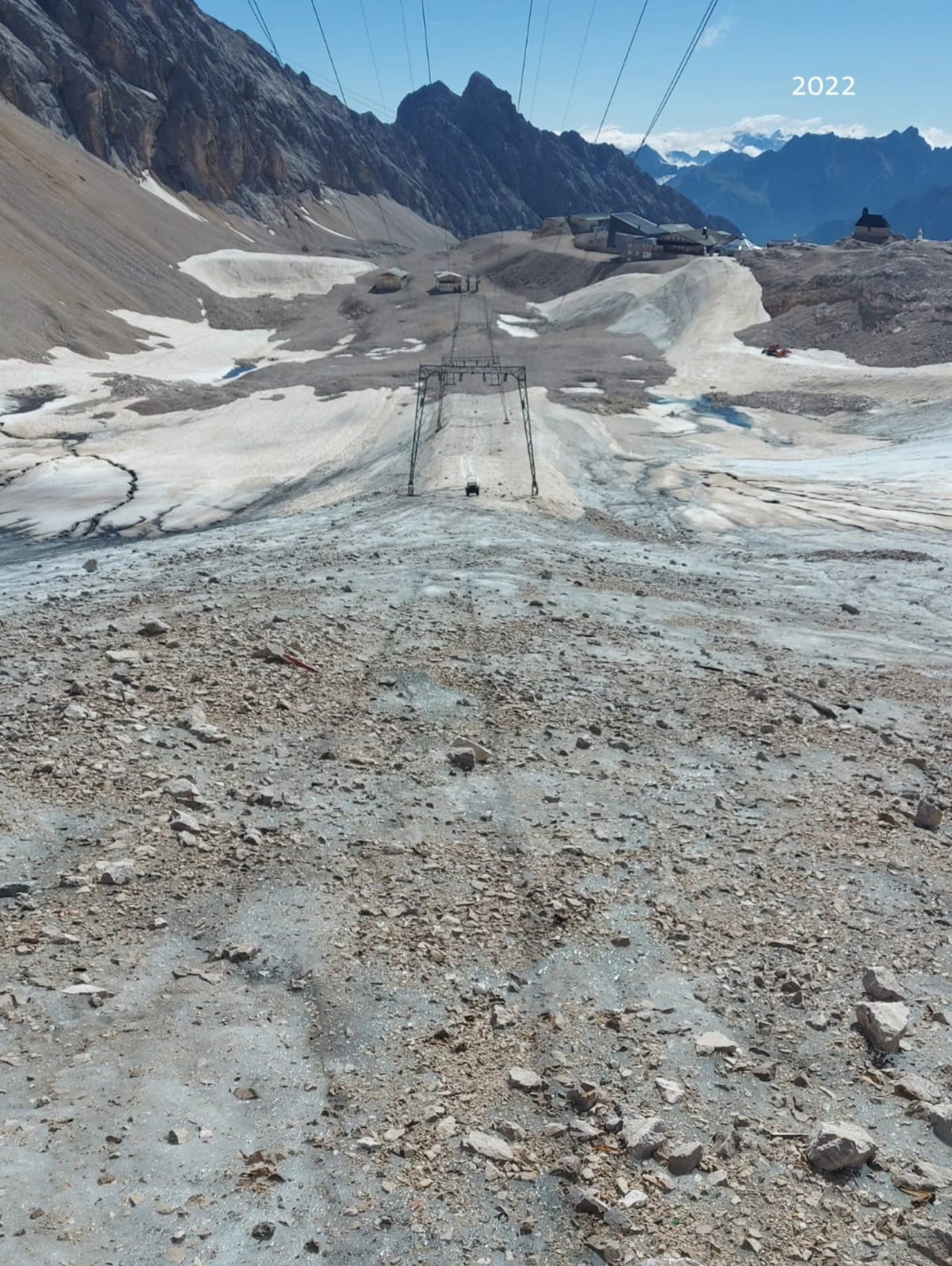
New analysis of the last surviving glaciers in the Bavarian Alps shows just how quickly they are vanishing. Researchers report that the ice fields have shrunk by more than a quarter between 2023 and 2025, amounting to the loss of roughly one million cubic metres of ice.
Geologists at Munich University of Applied Sciences say there is “absolutely no chance” of preserving any of Germany’s remaining glaciers. They attribute the decline entirely to climate change, warning that most will disappear within the next few years, with the final remnants expected to vanish by the 2030s.
The findings align with wider European and global trends. The EU’s Copernicus climate observatory confirms that the past three years have been the warmest ever recorded worldwide, driven by rising greenhouse gas emissions. Meanwhile, Earth System Science Data estimates that around 41% of global glacier loss occurred between 2015 and 2024, with the steepest declines in Alaska, western North America and Central Europe.
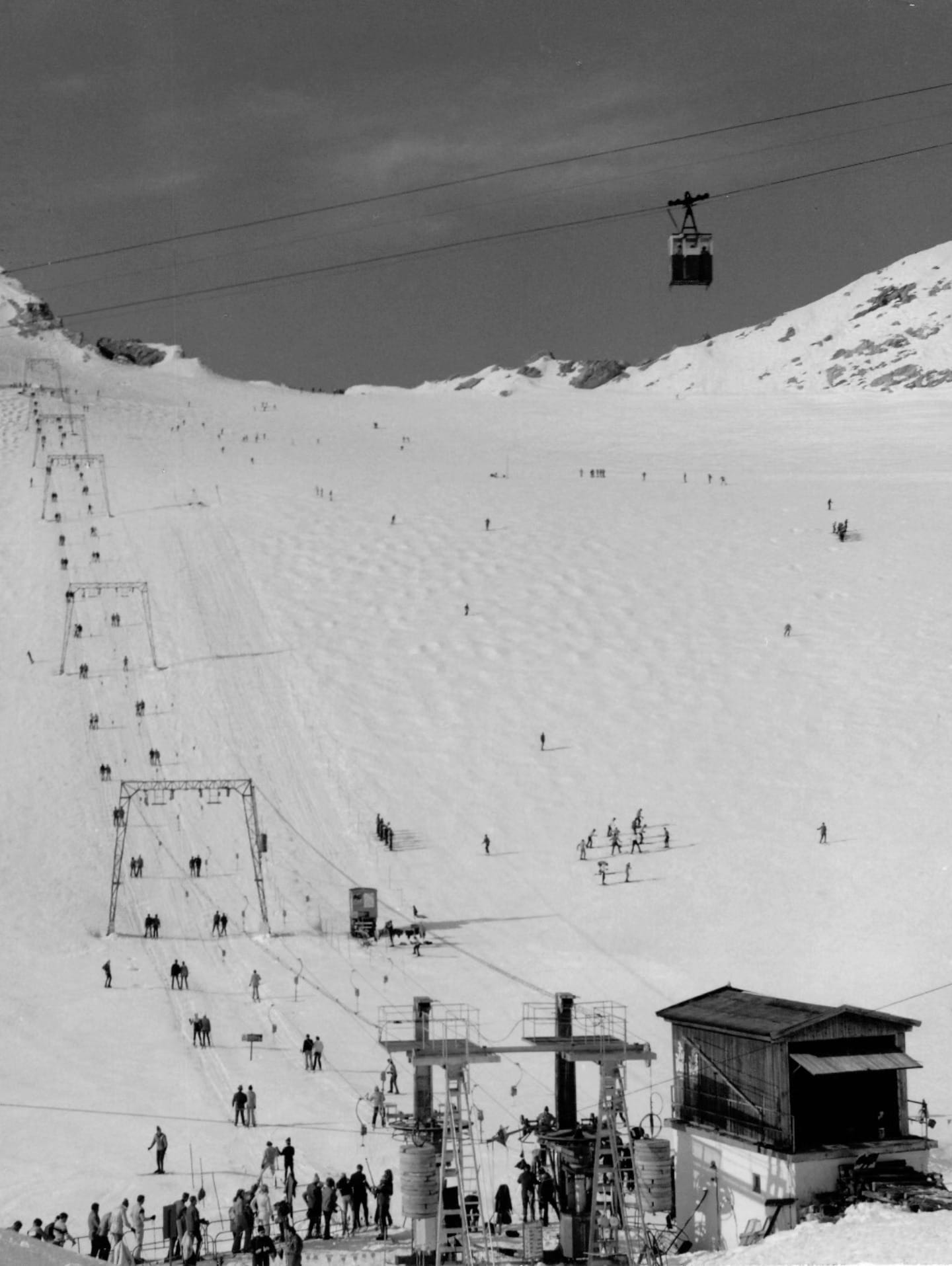
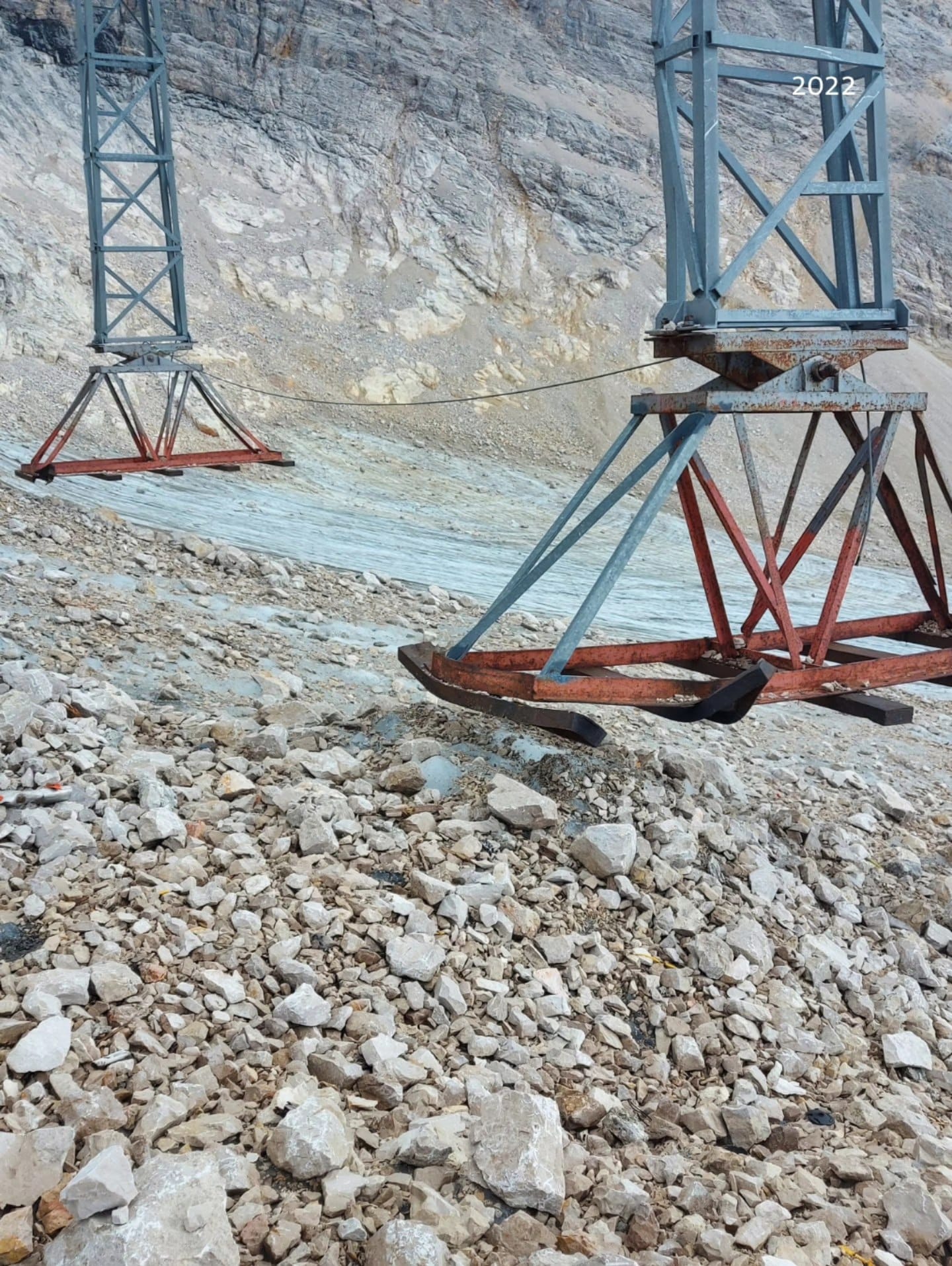
On Germany’s highest peak, the Zugspitze (2,962m / 9,700 feet), close to Garmisch-Partenkirchen, the rapid melt has already forced operational changes. The ski area operator has begun dismantling a long‑running lift that can no longer be safely used after more than fifty years in service.
“The ice is receding, the terrain and the lift have changed drastically. The slope has become significantly steeper, and for that reason it's no longer technically feasible to keep operating the lift,” a spokesperson explained.