
Ski Japan - Hokkaido
Country Bio
When you ski Japan you’re on the slopes of one of the world’s leading ski nations and the main ski country in Asia. There are more than 500 Japanese ski resorts spread across the country – a number only matched by Austria, Germany and the United States.
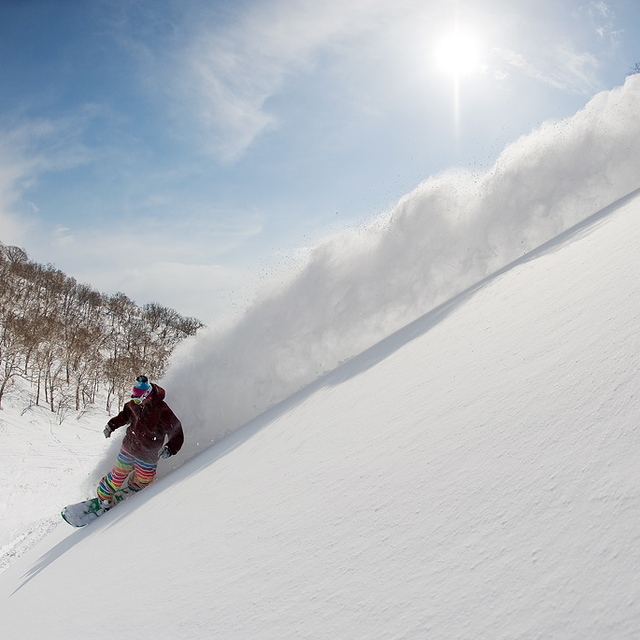
The ski centres stretch across the country and have a reputation of excellent snowfalls, particularly on the northern island of Hokkaido where annual snow accumulations are normally among the deepest in the world, officially only beaten by Mt Baker in Washington State just across the Pacific in the USA.
Skiing in Japan also has the longest history of downhill winter sports in the continent, with the sport introduced by famous Austrian pioneer Hannes Schneider from the Arlberg who popularised skiing in early films and books all over the world and is now commemorated in a dedicated ski museum in Nozawa Onsen, one of the country’s best known resorts where Schneider taught skiing in the early 1920s.
Most of the resorts are comparatively small in extent but in some cases up to a dozen small areas are inter-linked or at least very close together, such as the many sectors of 1998 Winter Olympic venue Nagano – one of two Olympics staged in Japan, the only country outside Europe, the US and Russia to stage a winter games.
The evolution of wintersports in Japan is a unique one and reflects both economic and consumer trends.
While in most first world countries with a long history of skiing the sport gradually grew and matured and has remained relatively stable for two or three decades now, interest in skiing among the Japanese population peaked in the 1980s and then dramatically dropped at the start of the 1990s after a collapse of the Japanese economy coincided with growth in interest in other activities, particularly computer gaming. Skier numbers declined from 20 million a year to around a third of that number, although they have now recovered to about 10 million.
During the boom years Japan was known for having very crowded slopes – there are almost no drag lifts in the country and multiple chairlifts deposited Japanese skiers en masse at the top of slopes. As Japan is a very polite and respectful society, this rarely caused the kind of bad temper, pushing and shoving it might in Europe or North America and instead everyone made space. Many ski areas were efficiently accessed by rail from the country’s cities too and skiers would arrive in the early hours of the morning to ski through the small hours as ski areas operated nearly 24 hours a day to cope with demand.
Another consequence of the 1980s popularity of skiing was that in its early years, snowboarding was largely banned on the country’s slopes, with resort managers seeing no reason why they should complicate matters by allowing boarders on their ski runs. There was also little of the Western model of diversification in activities and resort facilities. There were basic hotels, ski runs only, childcare facilities were rare and while most skiing nations have a mix of nationalities on their slopes, non-Japanese skiers very rare too. This was partly due to the lack of any languages being spoken or signage other than Japanese and partly as the Yen was riding high making skiing very expensive.
The ski boom also led to Japan being a pioneer of indoor skiing with one of the world’s earliest centres opened in the 1950s and in the modern era a dozen indoor centres opening in the late 1980s and early 1990s, including what is still the biggest ever built – the SSAWS dome in Tokyo harbour with a 500m long, 100m wide slope built on earthquake absorbing piles to save the centre from the potential danger of an indoor avalanche. This centre was eventually demolished to make way for Japan’s first IKEA store, having never repaid its construction costs.
Indeed the 1990s saw many Japanese ski areas mothballed. Japanese business ownership rules meant it was generally better to close a ski centre down and leave it potentially operational rather than dismantle it.
Seeking to re-invent itself, the country’s major ski areas have, particularly in the last decade, followed Western business models far more, diversifying their resort activity range, dining and accommodation options.
None has been more successful in doing so than Niseko which has risen to worldwide fame as a cult free riding resort attracting powder hounds from around the world and particularly Australia, as Aussies have realised they have a shorter trip and no jet lag travelling to Japan than their traditional choices of Canada and to a lesser extent the US and the Alps. This has allowed Niseko to have far more English language information than other resorts, making the resort instantly more attractive to the global market.
A main attraction is the remarkable snow conditions, but visitors have also found that modern Japan also offers great food in its restaurants and relatively affordable prices. Service standards are also very high and the local population friendly and respectful in their welcome. Japan also has several unique attractions including the hot spring onsen baths found at many resorts and eternally popular karaoke bars for après ski.
It comes as a surprise to many freeriders that much of Japan’s extensive off piste terrain often buried metres deep is off limits as well as off piste and if skied or boarded can result in prosecution and certainly loss of lift ticket. Some resorts, including Niseko do have off piste zones available however.
Another point to be kept in mind is that Japanese snowfall can be unremitting. Photos of snow banks towering above tour buses can only result from periods where snowfall has lasted for weeks when a cycle of dry air sweeping in from across the vast Siberian plains sucks up moisture as it passes out over the Sea of Japan, depositing it all once it hits the mountains.
Japan’s ski areas are also frequently subject to earthquakes and resort facilities and buildings are designed to cope with this. Fukushima, where the nuclear power plant was damaged by the 2011 Tsunami, is a popular ski region where radiation level reports are now posted along side snow conditions.
Country Status
- Fresh snow forecast at 56 resorts
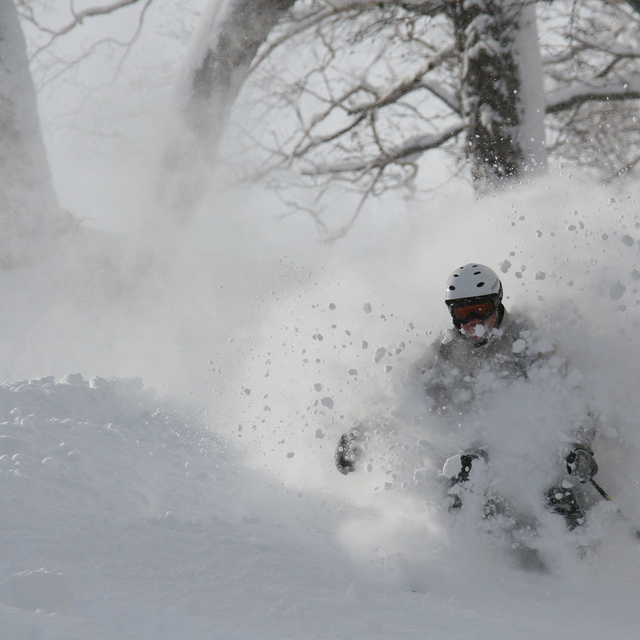
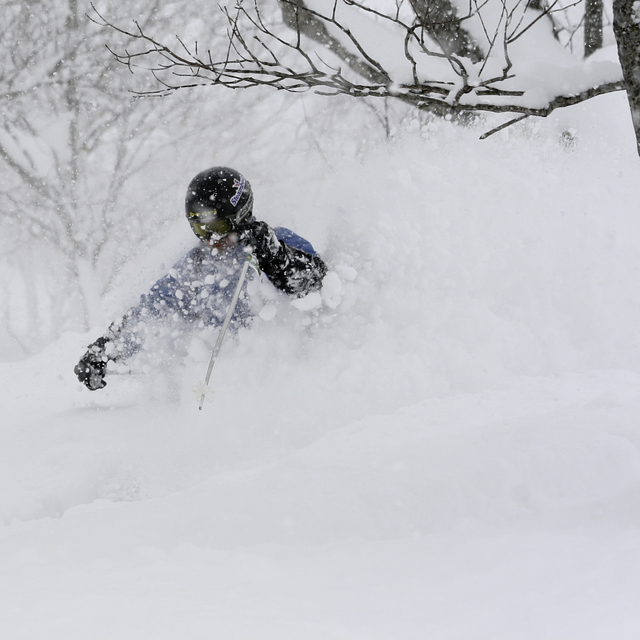
Recent Eyeball Snow Reports for Japan - Hokkaido
-
 Rain and snow or hail reported from Asahikawa at 240 metres elevation 5 kms NE of Canmore Ski Village but it is probably falling as rain apart from near the top of the ski area
A–M
N–Z
Ski resorts in Japan - Hokkaido from A to M


|
|||||||||||||||||||||||||||||||||||||
|---|---|---|---|---|---|---|---|---|---|---|---|---|---|---|---|---|---|---|---|---|---|---|---|---|---|---|---|---|---|---|---|---|---|---|---|---|---|
| Resort |

|
snow depth top and bottom |
 on-piste |
 off-piste |
 Last Snow |
Next 9 Days 0–3 | 3–6 | 6–9 snow (cm) |
 Next 7 days weather forecast.
Freezing level (m) |
||||||||||||||||||||||||||||||
| Sat | Sun | Mon | Tue | Wed | Thu | Fri | |||||||||||||||||||||||||||||||
|
(25 m — 205 m) |
|
|
|||||||||||||||||||||||||||||||||||
|
(96 m — 369 m) |
|
|
|||||||||||||||||||||||||||||||||||
|
(97 m — 221 m) |
|
|
|||||||||||||||||||||||||||||||||||
|
(1100 m — 1600 m) snow report today |
|
|
|
||||||||||||||||||||||||||||||||||
|
(120 m — 450 m) |
|
|
|||||||||||||||||||||||||||||||||||
|
(120 m — 270 m) |
|
|
|||||||||||||||||||||||||||||||||||
|
(130 m — 315 m) |
|
|
|||||||||||||||||||||||||||||||||||
|
(240 m — 300 m) |
|
|
|||||||||||||||||||||||||||||||||||
|
(150 m — 530 m) |
|
|
|||||||||||||||||||||||||||||||||||
|
(210 m — 456 m) |
|
|
|||||||||||||||||||||||||||||||||||
|
(50 m — 150 m) |
|
|
|||||||||||||||||||||||||||||||||||
|
(144 m — 409 m) |
|
|
|||||||||||||||||||||||||||||||||||
|
(56 m — 179 m) |
|
|
|||||||||||||||||||||||||||||||||||
|
(280 m — 540 m) |
|
|
|||||||||||||||||||||||||||||||||||
|
(280 m — 740 m) |
|
|
|||||||||||||||||||||||||||||||||||
|
(245 m — 1209 m) snow report yesterday |
|
|
|||||||||||||||||||||||||||||||||||
|
(52 m — 159 m) |
|
|
|||||||||||||||||||||||||||||||||||
|
(182 m — 442 m) |
|
|
|||||||||||||||||||||||||||||||||||
|
(260 m — 943 m) |
|
|
|||||||||||||||||||||||||||||||||||
|
(251 m — 754 m) |
|
|
|||||||||||||||||||||||||||||||||||
|
(150 m — 367 m) |
|
|
|||||||||||||||||||||||||||||||||||
|
(699 m — 1239 m) snow report yesterday |
|
|
|||||||||||||||||||||||||||||||||||
|
(133 m — 410 m) |
|
|
|||||||||||||||||||||||||||||||||||
|
(20 m — 126 m) |
|
|
|||||||||||||||||||||||||||||||||||
|
(200 m — 554 m) |
|
|
|||||||||||||||||||||||||||||||||||
|
(25 m — 120 m) |
|
|
|||||||||||||||||||||||||||||||||||
|
(216 m — 467 m) |
|
|
|||||||||||||||||||||||||||||||||||
|
(150 m — 751 m) snow report yesterday |
|
|
|||||||||||||||||||||||||||||||||||
|
(140 m — 247 m) |
|
|
|||||||||||||||||||||||||||||||||||
|
(570 m — 1180 m) |
|
|
|||||||||||||||||||||||||||||||||||
|
(70 m — 350 m) |
|
|
|||||||||||||||||||||||||||||||||||
|
(280 m — 430 m) |
|
|
|||||||||||||||||||||||||||||||||||
|
(170 m — 270 m) |
|
|
|||||||||||||||||||||||||||||||||||
|
(38 m — 110 m) |
|
|
|||||||||||||||||||||||||||||||||||
|
(670 m — 1550 m) snow report yesterday |
|
|
|||||||||||||||||||||||||||||||||||
|
(237 m — 460 m) |
|
|
|||||||||||||||||||||||||||||||||||
|
(115 m — 322 m) |
|
|
|||||||||||||||||||||||||||||||||||
|
(176 m — 330 m) |
|
|
|||||||||||||||||||||||||||||||||||
|
(380 m — 780 m) |
|
|
|||||||||||||||||||||||||||||||||||
|
(294 m — 702 m) |
|
|
|||||||||||||||||||||||||||||||||||
|
(171 m — 531 m) |
|
|
|||||||||||||||||||||||||||||||||||


 Nearest